




About Our Coffee
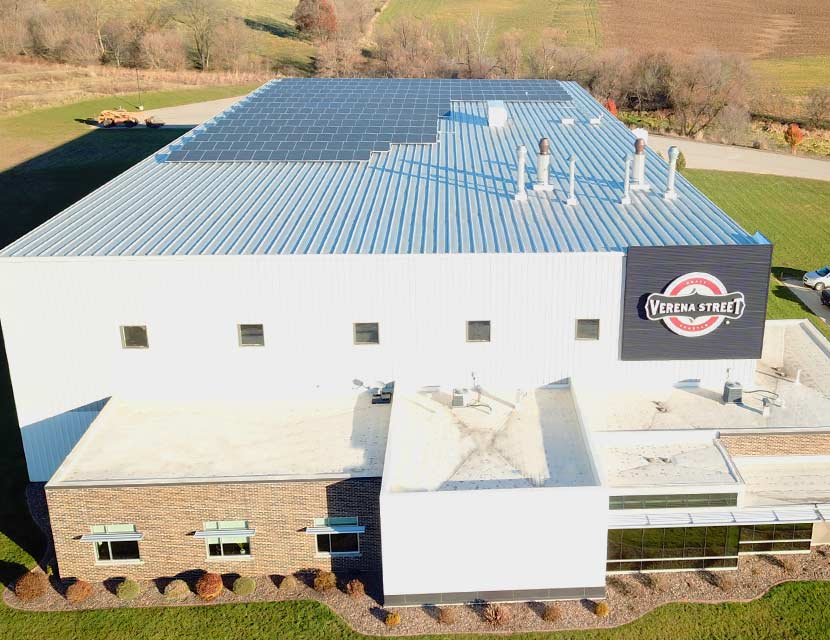
Verena Street Coffee’s specialty Arabica coffee beans are craft roasted in small batches. This means that you will receive high quality coffee fresher than anything you can get your hands on!
Verena Street Coffee is craft roasted in small batches using the best Arabica coffee beans available in the world. This ensures that only the freshest and highest quality beans make it into our customers’ hands. Each fresh roast coffee is roasted to a specific level that best highlights its unique character and derives the best possible flavor and aroma from each bean. This creates an unforgettable experience in every cup. We hope you enjoy drinking it as much as we enjoy creating it!
Specialty coffee is graded to meet or exceed a specific set of criteria regarding bean sizing, uniformity, and consistency. This is intended to ensure that specialty coffee meets a consistently higher quality and character than typical coffee beans. The specialty coffee movement started as a rebellion against mass-produced, low-cost coffees. The market for specialty coffee is growing at a faster rate than the overall coffee market as consumers develop a taste and preference for higher-quality coffees.
There are two general categories of coffee: coffea Arabica and coffea robusta. Arabica beans are grown at higher altitudes and have less caffeine than robusta beans (the caffeine is a natural deterrent against insects and pests which are less prevalent at higher altitudes). Arabica trees grow less densely than robusta trees and in rougher and more remote terrain, which leads to the higher costs of harvesting Arabica beans. Arabica beans generally make a smoother and better-tasting cup of coffee, which is why the majority of the world’s harvested coffee beans are Arabica. However, out of all Arabica beans only 10% are good enough to be used in specialty coffee. The rest are from past years’ crops, have too many defects, or exhibit other unfavorable traits which affect their quality. These typically find their way into some of the cheaper coffees you might see touting “100% Arabica” beans.
Oxygen, moisture, heat, and sunlight have the most damaging effects on coffee, and proper storage is required to protect coffee from these elements. Once you open a bag, we recommend storing any extra product in an airtight container and keep it in a cool and dry place. Refrigeration is not recommended because coffee beans absorb smells very easily and could also suffer from condensation.
Grinding increases the surface area of coffee beans, making it possible for the hot water to extract soluble flavor compounds from the beans. Every brewing method has an optimum grind size. Generally, the longer the brew time, the coarser the recommended grind. Here is a simple chart to guide you:
Brewed coffee consists of approximately 98% water, so the quality of the water you use to brew your coffee plays a large part in the quality of the finished product. Using hard water can lead to over-extraction and can create a buildup of lime in the water tank of your brewer. Distilled water does not have enough dissolved solids to properly extract the soluble flavor compounds in coffee. Tap water may contain small amounts of chlorine and/or fluoride. Filtering of tap water should remove some of these chemicals and produce a satisfactory product. We recommend using only bottled or filtered water. If you want the best coffee possible, don’t overlook the water which plays such an important role in the finished product.