

Despite being widely studied, coffee is still often misunderstood.
From caffeine panic to freshness folklore, coffee myths stick around because they sound logical, get repeated often, or were once partially true. This guide helps separate fact from fiction so you can enjoy your coffee without the confusion.
Myth 1: Dark Roast Coffee Has More Caffeine
Short answer: No.
Dark roast usually has slightly less caffeine than light roast.
Caffeine breaks down during roasting. Because dark roasts are roasted longer, they lose a small amount of caffeine. The difference is minor, but the idea that dark roast is “stronger” comes from flavor intensity, not caffeine content.
Why the myth sticks: Bold, bitter flavors feel stronger, so people assume more caffeine. Dark roasts are often brewed stronger for flavor, which can make them seem higher in caffeine. Brewed the same way as lighter roasts, they actually contain slightly less.
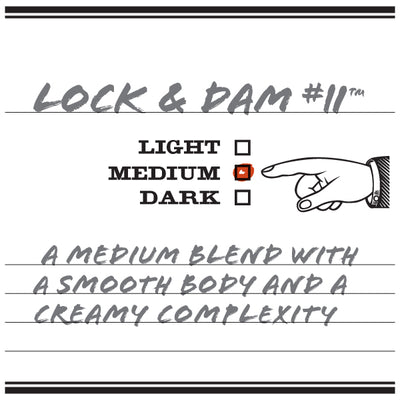
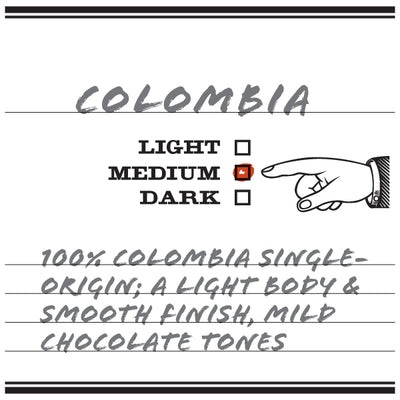
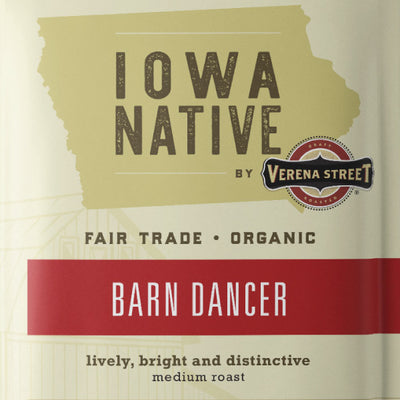
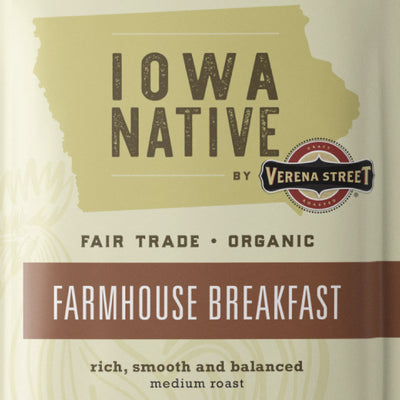
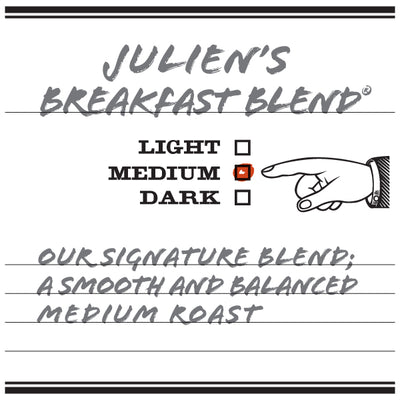
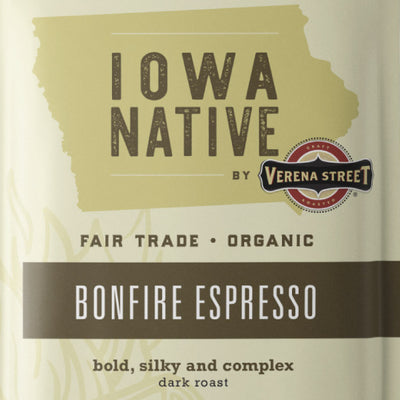
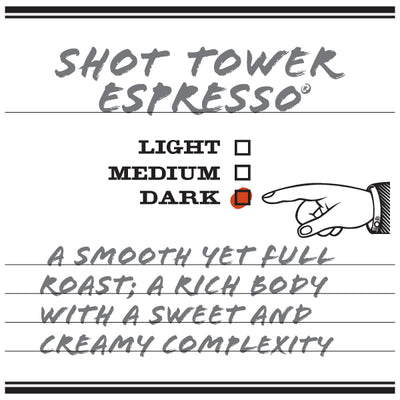
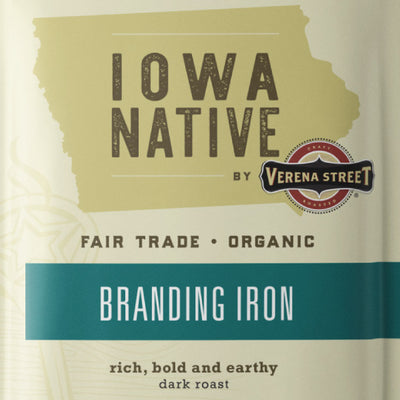
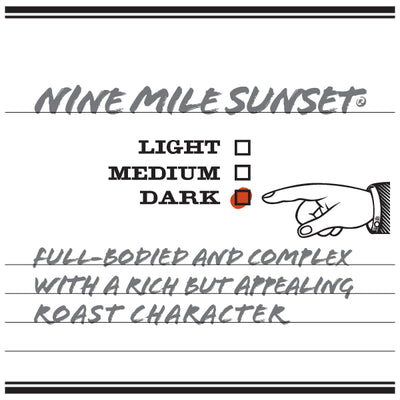
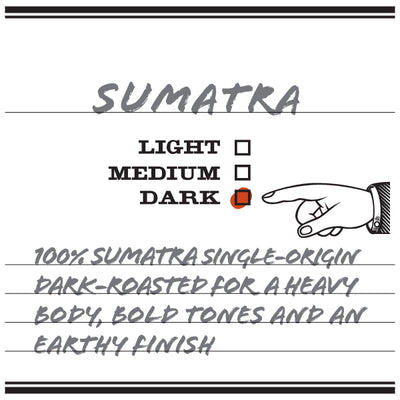
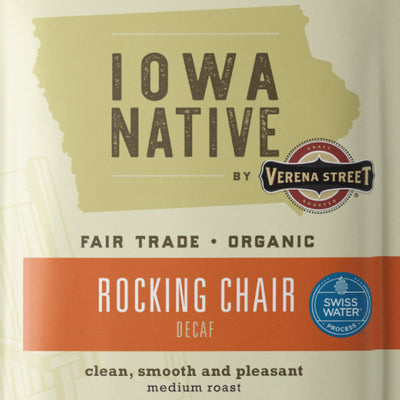
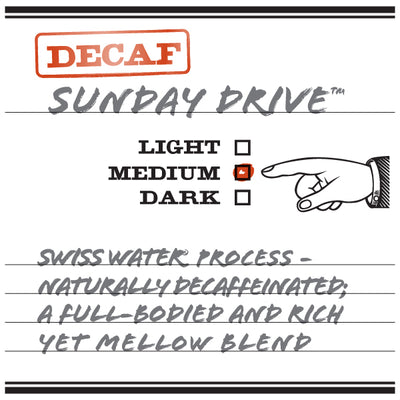
Looking for a smoother starting point? Explore Verena Street Coffee’s best-selling beans, selected for balanced flavor and consistency.
Myth 2: Coffee Dehydrates You
Short answer: Coffee is generally not considered dehydrating.
While caffeine has a mild diuretic effect, the water in coffee typically offsets it. People who regularly drink coffee often build a tolerance to the diuretic effect.
A study has found little difference in hydration markers between moderate coffee intake and water. Coffee can count towards your daily fluid intake.
Why the myth sticks: Early studies focused only on caffeine, not coffee as a beverage.
Myth 3: Espresso Has More Caffeine Than Drip Coffee
Short answer: Per serving, no.
A single shot of espresso contains less caffeine than a standard cup of drip coffee. Espresso is more concentrated, but the serving size is much smaller.
- Espresso shot: about 60–80 mg caffeine
- Drip coffee: about 90–120 mg caffeine
An espresso shot is usually consumed in a few seconds, so the caffeine enters your system all at once. A cup of coffee is often sipped over several minutes, which can make the effect feel more gradual.
Why the myth sticks: Espresso tastes intense and is associated with energy.
Myth 4: Coffee Is Bad for Your Heart
Short answer: Moderate coffee consumption is generally viewed as safe for most people.
Large-scale studies consistently show that drinking coffee in moderation is not linked to increased heart disease risk. Some research even suggests potential protective benefits.
That said, people with specific sensitivities or medical conditions should follow their doctor’s advice.
Why the myth sticks: Caffeine raises heart rate temporarily, which feels alarming.
Myth 5: Freshly Roasted Coffee Is Best Immediately
Short answer: Coffee needs time to rest after roasting.
Freshly roasted coffee releases carbon dioxide for several days. Brewing too soon can lead to uneven extraction and flat or sour flavors.
Most coffee tastes best:
- About 3–10 days after roasting for espresso
- About 5–14 days after roasting for filter coffee
Why the myth sticks: “Fresh” sounds better, but coffee is not bread.
Myth 6: Coffee Stays Fresh in the Freezer
Short answer: Usually no.
Freezing coffee does not automatically preserve freshness. Unless the coffee is sealed perfectly, freezers introduce moisture, oxygen exposure during opening, and odor transfer. Those degrade flavor fast.
For daily use, airtight storage at room temperature delivers more consistent results. A cool, dark, dry place like a pantry is perfect for storing coffee.
Freezing only makes sense for long-term storage of unopened, portioned, factory-sealed coffee.
What science actually supports
A well-cited Scientific Reports study found that colder beans grind into smaller, more uniform particles. That affects extraction, not freshness.
The authors also note that colder temperatures slow aroma loss in theory, but only if moisture and air exposure are tightly controlled. They explicitly warn that water absorption and condensation can damage flavor compounds.
Why the myth sticks: Cold storage works for most foods, so people assume coffee behaves the same way. Coffee is porous, aromatic, and highly sensitive to moisture and odors. The same rules do not apply.
Myth 7: More Expensive Coffee Is Always Better
Short answer: Price does not guarantee preference.
Higher prices often reflect sourcing, processing, or ethics, not personal taste. A coffee can be high quality and still not suit your flavor preferences.
The best coffee is the one you enjoy drinking.
Why the myth sticks: Price is often used as a shortcut for quality.
Myth 8: Coffee Will Stunt Your Growth
Short answer: Coffee has not been shown to stunt growth.
Scientific studies have not found a link between coffee consumption and reduced height. Earlier concerns about caffeine affecting calcium absorption may have contributed to this belief, but they have been largely challenged.
Why the myth sticks: It has been repeated for generations.
Myth 9: You Should Drink Coffee Black to Be a “Real” Coffee Drinker
Short answer: Drink coffee how you like it.
Milk, sugar, or alternatives do not invalidate your coffee. Taste preference is personal, not a test of credibility.
Enjoyment matters more than rules.
Why the myth sticks: Coffee culture sometimes confuses preference with purity.
Myth 10: Coffee Sobers You Up
Short answer: Coffee is not considered to reduce alcohol impairment.
Caffeine may make you feel more alert, but it does not lower blood alcohol levels or restore coordination or judgment.
Why the myth sticks: Feeling more awake may be mistaken for being sober.





Leave a comment
All comments are moderated before being published.
This site is protected by hCaptcha and the hCaptcha Privacy Policy and Terms of Service apply.