

Green coffee and roasted beans from a light roast to dark roast.
Coffee roast levels determine flavor, acidity, body, and aroma.
They do not significantly change caffeine. They change how the coffee tastes.
There are five commonly referenced coffee roast levels:
- Light
- Light-Medium
- Medium
- Medium-Dark
- Dark
Each level represents a different stage of development during roasting. Temperature and time drive those differences.

1. Light Roast (End of First Crack)
Temperature: 385–405°F
Surface: Dry
Density: High
Acidity: High
At first crack, beans expand and release steam. Light roast stops shortly after this stage.
Flavor profile:
- Bright
- Fruity
- Floral
- Origin-forward
The bean retains most of its original characteristics.
Explore Verena Street Coffee’s light roast coffee beans.
2. Light-Medium Roast (City+)
Temperature: 405–410°F
Surface: Dry
Acidity: Moderate-high
This is the stage between light and medium. Some roasters label it “City+.”
Flavor profile:
- Slightly less sharp acidity
- More caramel sweetness
- Still origin-focused
This stage exists but is not always labeled separately in retail packaging.
Explore Verena Street Coffee’s light-medium roast coffee beans.
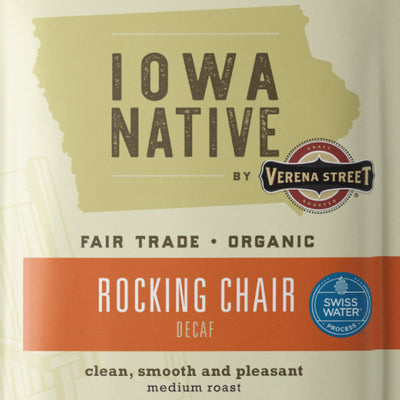
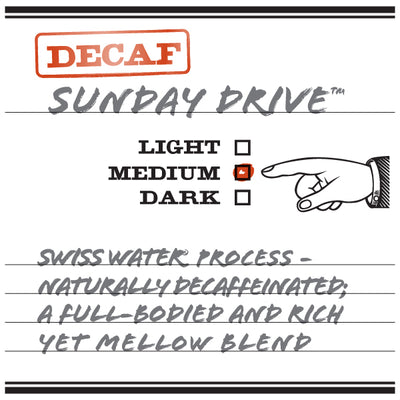
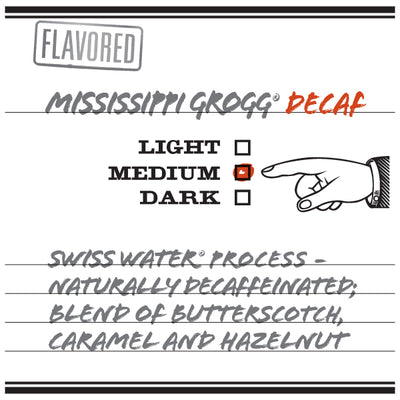
3. Medium Roast (Before Second Crack)
Temperature: 410–430°F
Surface: Dry to slight sheen
Acidity: Balanced
Medium roast develops sugars further but has not reached second crack.
Flavor profile:
- Balanced
- Nutty
- Chocolate notes
- Moderate body
This is the most widely consumed roast level in the U.S.
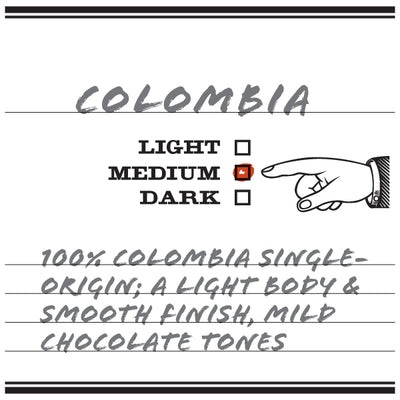
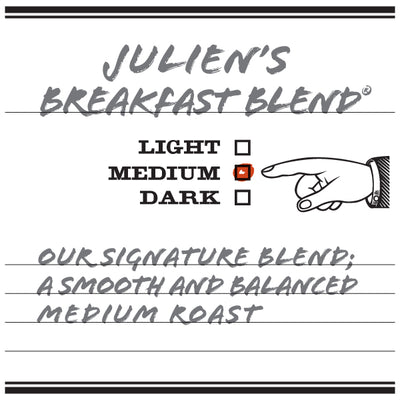
Explore Verena Street Coffee’s medium roast coffee beans.
4. Medium-Dark Roast (Approaching Second Crack)
Temperature: 435–445°F
Surface: Slight oil visible
Acidity: Low
This stage sits right before second crack begins.
Flavor profile:
- Deeper sweetness
- Toasted sugar
- Reduced brightness
- Fuller body
This is why “medium-dark” gets its own label. It marks a noticeable shift toward roast-driven flavors.
Explore Verena Street Coffee’s medium-dark roast coffee beans.
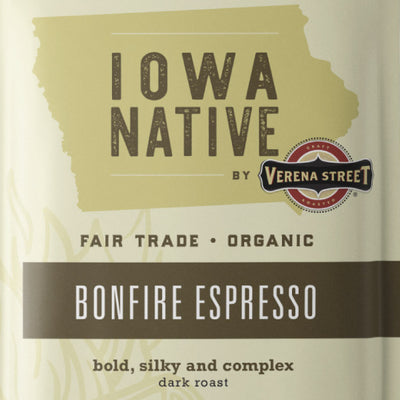
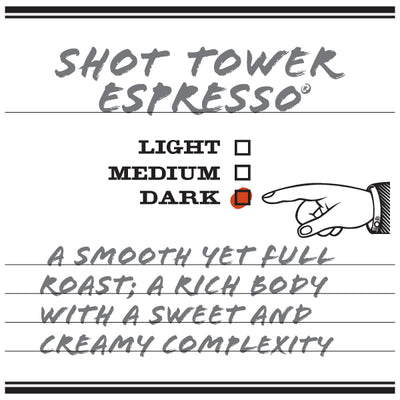
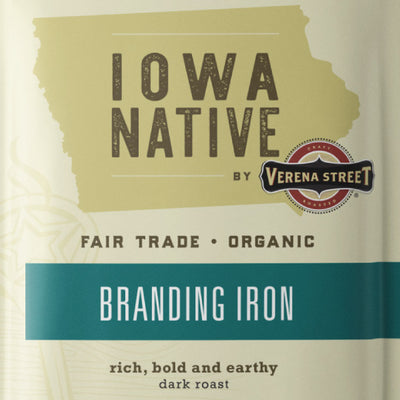
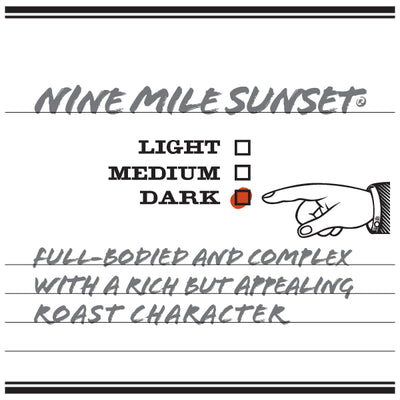
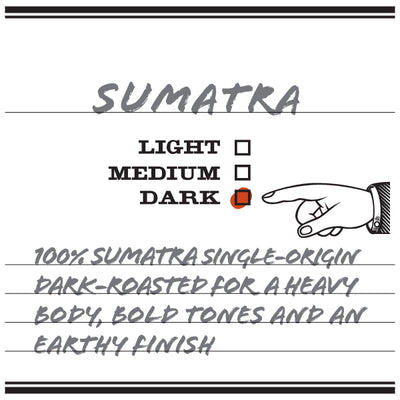
5. Dark Roast (Second Crack and Beyond)
Temperature: 450–465°F
Surface: Oily
Acidity: Low
Second crack signals structural breakdown of the bean. Oils migrate to the surface.
Flavor profile:
- Bold
- Smoky
- Bitter chocolate
- Heavy body
Origin characteristics are less prominent at this stage.
Explore Verena Street Coffee’s dark roast coffee beans.
Which Roast of Coffee Is Strongest?
If strong means bold flavor, dark roast tastes strongest.
If strong means caffeine content, light and dark roast contain nearly the same amount when measured by weight.
A typical 20-gram dose of coffee contains roughly 200–240 mg of caffeine extracted in brewed coffee depending on method and efficiency.
Flavor intensity does not equal caffeine strength.
Which Coffee Is Stronger in Caffeine: Light or Dark Roast?
By weight, caffeine content is nearly equal.
Light roast contains approximately 1.2–1.4 percent caffeine by weight.
Dark roast contains approximately 1.1–1.3 percent by weight.
Light roast may contain slightly more caffeine by volume because it is denser.
Example:
One tablespoon of light roast beans may weigh about 6 grams.
One tablespoon of dark roast beans may weigh about 5 grams.
That weight difference explains the caffeine myth.
Does Roast Level Affect Caffeine?
Roast level affects caffeine minimally.
Caffeine is stable at roasting temperatures. The small variation between light and dark roast is typically under 5 percent.
Brewing method, dose size, and water ratio influence caffeine more than roast level.
An 8-ounce cup of drip coffee typically contains 80–120 mg of caffeine regardless of roast.
Coffee Roast Flavors: What Changes During Roasting
As roast level increases:
- Acidity decreases
- Body increases
- Bitterness potential increases
- Origin clarity decreases
Roasting causes:
- Moisture loss
- Sugar caramelization
- Maillard reactions
- Oil migration
Light roast highlights origin. Medium roast balances sweetness and body. Dark roast emphasizes roast flavors.
What Is the Best Roast Level of Coffee?
Medium roast is the most widely preferred roast level in the United States and is often considered the most balanced.
It offers moderate acidity, caramelized sweetness, and medium body without the sharpness of light roast or the heavy roast character of dark roast.
Choose light roast if you prefer:
- Bright acidity
- Fruit-forward flavors
- Pour over or manual brewing
Choose medium roast if you prefer:
- Balanced flavor
- Everyday drip brewing
- Moderate acidity
Choose dark roast if you prefer:
- Bold flavor
- Lower acidity
- Espresso or milk-based drinks
There is no universal best roast level, but medium roast is the most neutral and broadly appealing option.
How Roast Level Affects Brewing
Light roast is denser and requires:
- Slightly finer grind
- Higher water temperature between 200–205°F
- Longer extraction time
Dark roast extracts faster and benefits from:
- Slightly coarser grind
- Water temperature between 195–200°F
- Careful timing to avoid bitterness
Adjusting grind and temperature based on roast improves balance.
Understanding Coffee Roast Levels
Coffee roast levels control flavor development, not caffeine strength.
Light roast emphasizes origin and acidity. Medium roast balances sweetness and body. Dark roast emphasizes bold, roasted flavors.
Caffeine differences are small when measured properly.
If you want more caffeine, adjust dose. If you want different flavor, adjust roast level.
Roast level shapes the cup. Brewing method completes it.
FAQs: Coffee Roast Levels
Which roast level has the most caffeine?
Light roast may contain slightly more caffeine by volume because it is denser, but when measured by weight the difference is small. A properly weighed dose of light and dark roast delivers nearly the same caffeine. Brew ratio and serving size affect caffeine more than roast level.
Is dark roast less acidic?
Yes. Dark roast breaks down more organic acids during roasting, which lowers perceived acidity. This produces a smoother, less sharp flavor compared to light roast.
Is light roast more bitter?
No. Light roast is typically more acidic, not more bitter. Bitterness increases with darker roasting and over-extraction during brewing.
What roast level is best for beginners?
Medium roast is often the most balanced and forgiving option. It offers moderate acidity, noticeable sweetness, and consistent results across common brewing methods like drip and pour over.
Does roast level change bean size?
Yes. As roast level increases, beans expand and lose moisture. Dark roast beans appear larger but weigh less per bean due to reduced density.



Leave a comment
All comments are moderated before being published.
This site is protected by hCaptcha and the hCaptcha Privacy Policy and Terms of Service apply.