
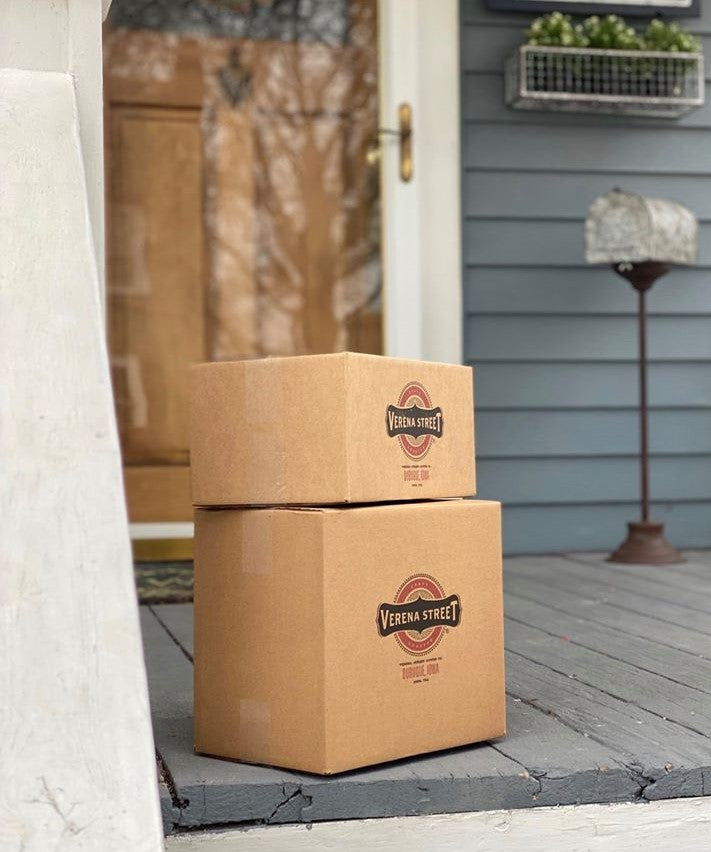

A decaf coffee bean has had most of its caffeine removed. It is not caffeine-free, but it contains much less caffeine than regular coffee.
So why do people drink it if it still has caffeine? And is it actually better for you? Here’s what you need to know.

What Is Decaf Coffee?
Decaf coffee is regular coffee made from beans that have had most of their caffeine removed. It still contains a small amount of caffeine, but far less than regular coffee.
Most 8-ounce cups of decaf contain about 2 to 15 milligrams of caffeine, compared with about 95 milligrams in regular coffee. Decaf coffee must have at least about 97% of its caffeine removed from the original beans. That is the standard used in the U.S. and many other countries.
Decaf coffee is made by removing caffeine from green coffee beans before roasting. There are several methods, including water processing, carbon dioxide extraction, and solvent-based techniques. Each method aims to keep as much flavor as possible while lowering caffeine.
People choose decaf for a few simple reasons. It can reduce jitters, make it easier to drink coffee later in the day, and help lower overall caffeine intake without giving up the habit.
Enjoy Coffee Anytime with Decaf
Looking for a lower-caffeine option you can enjoy anytime? Explore our decaf coffee range to find a blend that fits your routine.
 Shop Decaf Coffee
What’s the Point of Decaf Coffee?
The point of decaf coffee is simple: you get the coffee experience with much less caffeine. That can help people who feel jittery, anxious, wired, or sleep-disrupted after regular coffee. It can also help people who want a second or third cup without pushing their daily caffeine intake too high.
For many coffee drinkers, decaf is not about weak coffee. It is about control. You may want the flavor of coffee after dinner. You may want to taper your caffeine intake slowly instead of quitting at once. You may want the comfort of a warm mug during a meeting or long drive without the stronger kick of regular coffee.
There is also a lifestyle angle. Some people simply enjoy coffee as a ritual more than as a stimulant. The smell, the warmth, the pause, and the habit all matter. Decaf preserves much of that.
How Decaf Coffee Is Made
Decaf coffee is made by removing caffeine from green, unroasted beans. There are several accepted methods, but the main ones are water-based methods, carbon dioxide processing, and solvent-based methods. The goal is the same in each case: pull caffeine out while holding on to as much flavor and aroma as possible.
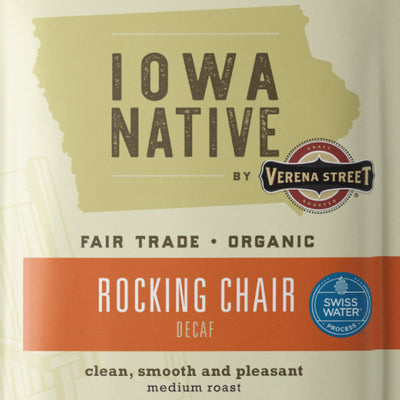
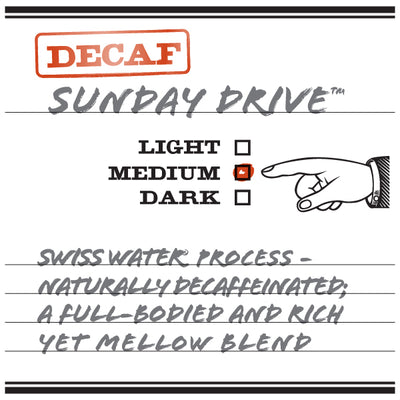
Water Process and Swiss Water Method

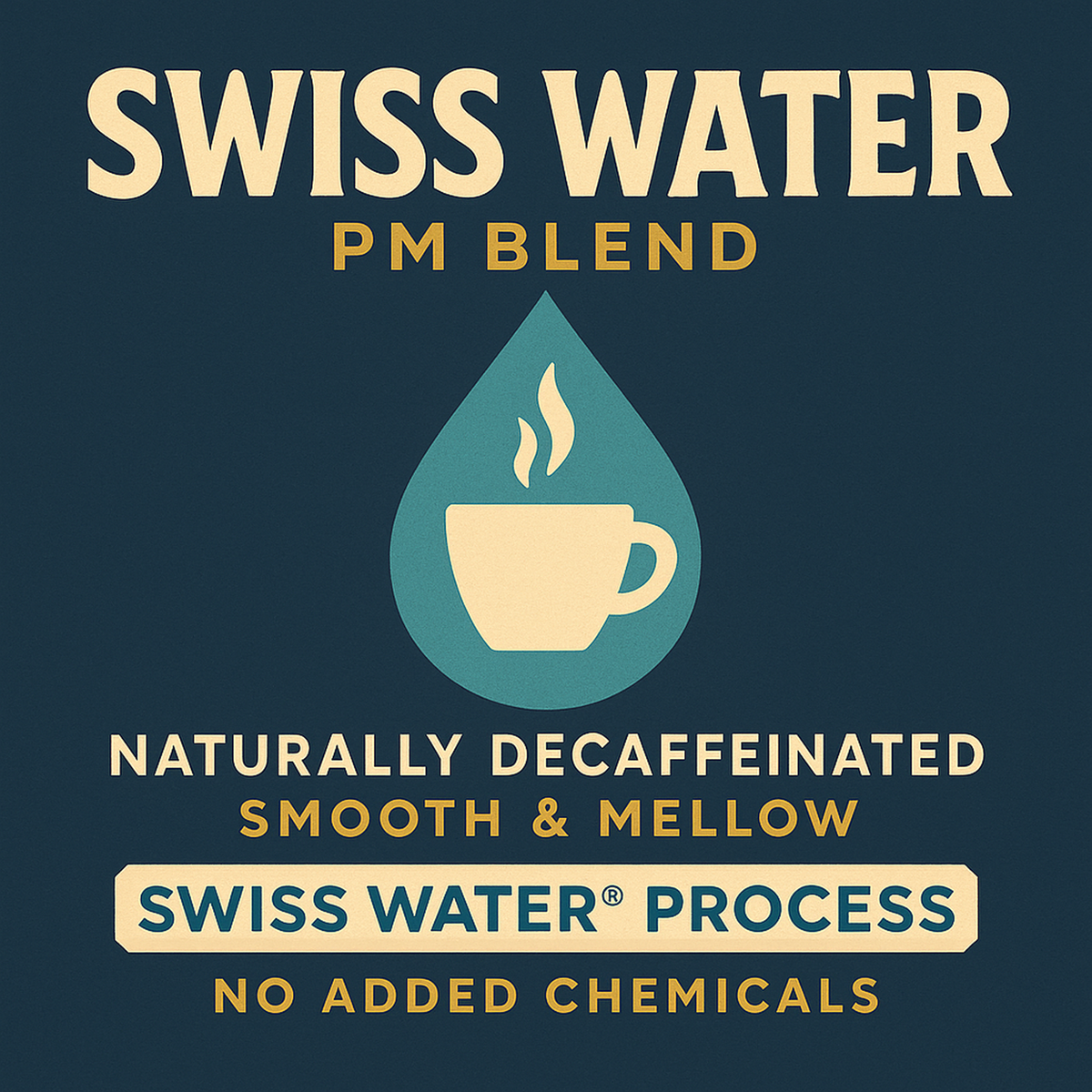
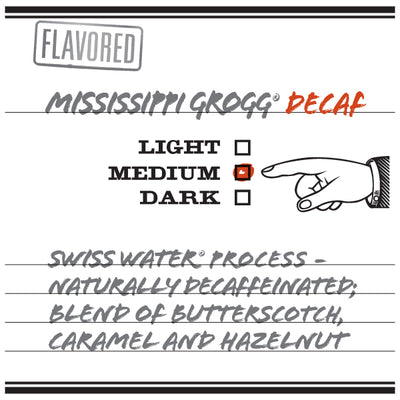
In water-based decaffeination, beans are soaked so caffeine and other soluble compounds leave the bean. Then filters are used to trap caffeine while letting flavor compounds remain in the water. That caffeine-light liquid can then be used to process fresh beans without stripping out as much flavor.
Water-based decaf is often linked with the Swiss Water Process. Many shoppers look for that label because it sounds simple and clean. It can also be a strong selling point for readers who are nervous about solvent myths.
CO2 and Solvent-Based Methods
Carbon dioxide decaffeination uses liquid CO2 under pressure to bind with caffeine and remove it from the beans. Solvent-based methods usually use methylene chloride or ethyl acetate. In the direct method, beans are steamed and then exposed to the solvent. In the indirect method, the solvent works on the water that has already drawn caffeine out of the beans.
These methods are regulated, and the processing includes steps to remove residual solvent. Shoppers who still prefer to avoid solvent-based methods can choose water-processed or CO2-processed decaf instead.
How Much Caffeine Is in Decaf Coffee?
This is the question most readers really want answered. Decaf coffee still contains caffeine, but far less than regular coffee. A typical 8-ounce cup of decaf often contains about 2 to 15 milligrams of caffeine, while regular coffee usually contains about 95 milligrams.
That range matters because not all cups are equal. The final caffeine amount can vary based on bean type, processing method, serving size, brand, and brew style. A larger mug can contain more caffeine than a small cup. Two or three decaf coffees across a day can also add up.
| Drink | Typical caffeine per 8 oz |
|---|---|
| Regular brewed coffee | ~95 mg |
| Decaf coffee | ~2–15 mg |
How Caffeine Fits Into a Healthy Diet
Most health authorities, including the FDA, say that up to 400 mg of caffeine per day is generally safe for healthy adults. This is roughly equal to 3 to 5 cups of brewed coffee, depending on strength and serving size.
Individual tolerance varies. Some people may need less to avoid jitters or sleep disruption.
Decaf coffee contains only small amounts of caffeine, usually 2 to 15 mg per cup. This makes it a practical choice for lowering total caffeine intake without giving up coffee.
Benefits of Decaf Coffee
The biggest benefit of decaf coffee is lower caffeine exposure. That can mean fewer jitters, less restlessness, and less chance of a late coffee interfering with sleep. For many people, decaf is easier to tolerate than regular coffee.
Decaf also keeps many of the attractive parts of coffee. It still offers aroma, flavor, and the comfort of a daily ritual. Coffee also contains antioxidant compounds, and decaf still includes many of them.
- Lower caffeine load
- Better fit for late-day drinking
- Easier option for caffeine-sensitive people
- Useful stepping stone for cutting back
- Coffee taste and routine with less stimulant effect
Who Usually Benefits Most From Decaf
Decaf often works best for people who love coffee but do not love the side effects of caffeine. That includes people who feel shaky after regular coffee, people who want coffee in the afternoon or evening, and people trying to lower total daily caffeine without quitting coffee altogether.
It can also be useful for people who want flavor first. If your main goal is taste, comfort, and routine, not energy, decaf may be the better fit.
Is Decaf Coffee Still a Stimulant?
Yes, but only mildly compared with regular coffee. Caffeine is a stimulant, and decaf still contains some caffeine. That means it can still have a small stimulant effect, especially in people who are very sensitive to caffeine.
Because the dose is much lower, the effect is usually much weaker than regular coffee. Decaf is still coffee, but it does not deliver the same strong caffeine punch.
Does Decaf Coffee Wake You Up?
Usually not in the same way as regular coffee. Most people will not get the same sharp wake-up effect from decaf because the caffeine dose is so much lower. Still, some people do feel a mild lift.
That may come from the small caffeine amount or from the routine itself. Smell, warmth, and expectation can all make you feel more ready to start the day. If you are highly caffeine-sensitive, decaf may still affect you, especially if you drink several cups or have it very close to bedtime.
Is Decaf Coffee Bad for You?
For most people, decaf coffee is not inherently bad for you. Much of the concern around coffee is tied to caffeine rather than coffee itself. Since decaf contains much less caffeine, many people find it easier to fit into their routine.
That said, not bad does not mean perfect for everyone. Some people still react poorly to coffee in general. Acidity, reflux, bladder irritation, or added sugar and cream may matter more than the caffeine question.
Concerns about solvent processing also come up often. Some decaf is processed with solvents such as methylene chloride or ethyl acetate, but these methods are regulated. Shoppers who dislike that idea can choose water-processed or CO2-processed decaf instead.
Is Decaf Coffee a Diuretic?
Caffeine is the main reason coffee gets called a diuretic. Since decaf contains far less caffeine, any diuretic effect is generally expected to be much weaker. For most people, moderate coffee intake is not strongly dehydrating.
Some people may still notice more urgency or frequency after coffee, including decaf, especially if they are sensitive or drink a lot at once. But that is different from saying decaf dehydrates you.
What Are the Negatives of Decaf Coffee?
Decaf has trade-offs. The biggest negatives are usually practical, not dramatic.
- It still contains some caffeine
- Taste can be a little milder or different depending on the process
- Some decaf products cost more because of extra processing
- Some shoppers dislike solvent-based methods
- Sensitive people may still react if they drink enough
Decaf is not fake coffee, and it is not dangerous by default. It is simply coffee that has been processed to lower caffeine.
How to Choose a Good Decaf Coffee
Start with your goal. If you want the simplest possible processing story, look for water-processed decaf. If you care most about flavor, shop by roast profile and origin first, then check the decaffeination method second.
If you want convenience, choose pods. If you want the best control over freshness, choose whole bean.
- Choose your format: pods, ground, or whole bean
- Look for a roast profile you already enjoy
- Check the decaf method if that matters to you
- Read tasting notes, not just “decaf” on the label
- Buy from a store that explains sourcing and process clearly
Shop decaf coffee to find a format and flavor profile that fits your routine.
FAQs about Decaf Coffee
What is half decaf coffee?
Half decaf coffee is a blend of regular and decaf coffee. It contains less caffeine than regular coffee but more than decaf. People choose it when they want a lighter caffeine hit without giving up as much flavor or energy. The exact caffeine level varies by blend and brand.
What decaf coffee is not chemically processed?
Water-processed and CO2-processed decaf coffee are the main options that are not usually described as chemically processed. These methods remove caffeine without using traditional chemical solvents like methylene chloride or ethyl acetate. Shoppers often choose them for peace of mind. Swiss Water Process is the best-known example.
What is healthier, decaf or regular coffee?
Neither is automatically healthier in every case. Decaf is often the better choice for people who want less caffeine, fewer jitters, or less chance of sleep disruption. Regular coffee may suit people who tolerate caffeine well and want more alertness. The healthier option depends on your caffeine sensitivity, sleep habits, and how much you drink.
What is the safest decaf coffee?
The safest decaf coffee for most people is one from a reputable brand with clear sourcing and processing information. Many shoppers prefer Swiss Water Process or CO2 Process because these methods avoid traditional chemical solvents. Freshness, roasting quality, and ingredient transparency also matter. A plain decaf coffee with no added sugar or fillers is usually the safest choice.
What is water processed decaf coffee?
Water processed decaf coffee is coffee that has had its caffeine removed using water, filters, and time instead of traditional chemical solvents. The goal is to remove caffeine while keeping as much flavor as possible. Swiss Water Process is the best-known version of this method. Many people choose it because it sounds simple and familiar.
What is the best tasting decaf coffee?
The best tasting decaf coffee is the one that matches your preferred roast, origin, and brew style. In general, high-quality whole bean decaf from a trusted roaster tastes better than stale or low-grade options. Medium and dark roasts are often popular because they can mask some flavor loss from decaffeination. Fresh roast dates and clear tasting notes are good signs.
What chemical is used to make decaf coffee?
The main chemicals used in some decaf processes are methylene chloride and ethyl acetate. These are used to remove caffeine from green coffee beans before roasting. The beans then go through more processing to remove residue, and regulated limits apply. If you want to avoid these methods, choose water-processed or CO2-processed decaf coffee instead.







Leave a comment
All comments are moderated before being published.
This site is protected by hCaptcha and the hCaptcha Privacy Policy and Terms of Service apply.