
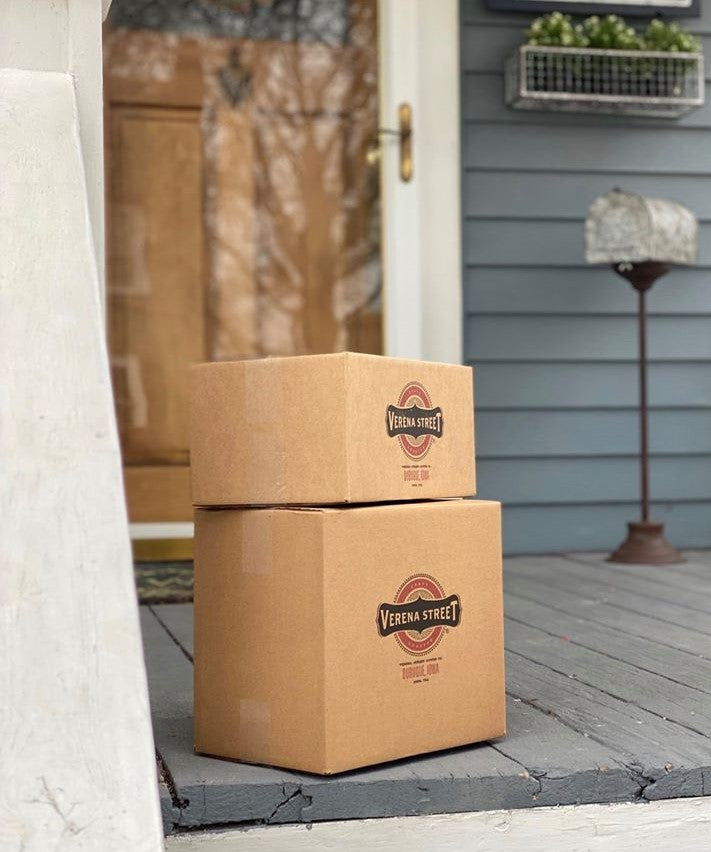

Choosing between whole bean and ground coffee is not about doing it “the right way.” It is about choosing a format that fits your equipment, your mornings, and your expectations.
Most disappointment happens when good coffee is paired with the wrong setup. This guide helps you avoid that.
The One Factor That Ruins More Coffee Than Freshness
Before choosing between whole bean and pre-ground coffee, understand this:
Grind size problems ruin more home-brewed coffee than stale beans ever do.
- Too fine → bitter, harsh cups
- Too coarse → sour, weak cups
This is why the “fresh is always better” advice often fails in real homes. A perfect bean brewed poorly still tastes bad.
Whole Bean Coffee: When It’s the Right Choice
Whole bean coffee delivers the most aroma and flavor when it is brewed correctly. It is best suited for drinkers who want control and enjoy the process.
Choose whole bean coffee if:
- You own a burr grinder (manual or electric)
- Your grinder produces mostly even particles, not powder mixed with chunks
- You brew pour-over, espresso, French press, AeroPress, or cold brew
- You are willing to adjust grind size when coffee tastes off
- You enjoy being involved in the brewing process
What to expect:
- Preserves aroma for weeks longer than ground coffee
- Highlights roast character and origin differences
- Allows precise grind matching for each brew method
Trade-offs to know upfront:
- Requires a grinder
- Adds about 30–60 seconds per brew
- Inconsistent results with low-quality grinders
Best if you enjoy hands-on brewing and want maximum freshness.
Ground Coffee: When It’s the Smarter Choice
Ground coffee removes variables. That makes it more reliable for many households, especially when time or equipment is limited.
Choose ground coffee if:
- You do not own a coffee grinder
- You use an automatic drip machine
- You want consistent results every morning
- Multiple people use the same coffee setup
What to expect:
- Predictable extraction
- Faster preparation
- No additional equipment
Trade-offs to know upfront:
- Flavor fades faster after opening
- Less flexibility across brew methods
Ideal for reliable, no-fuss coffee every day.
Quick Comparison: Whole Bean vs Ground Coffee
| Brewing Method | Better Choice | Why This Works |
|---|---|---|
| Automatic drip (standard) | Ground | Medium pre-ground is optimized for flow rate and consistency. Fewer failure points than home grinding. |
| Automatic drip (high-end / programmable) | Ground or Whole Bean | Whole bean works well only with a good burr grinder. Otherwise ground is safer. |
| Pour-over (V60, Chemex) | Whole Bean | Requires precise grind size. Fresh grinding noticeably improves clarity and aroma. |
| French press | Whole Bean | Needs coarse, even grind. Pre-ground is usually too fine and leads to bitterness. |
| Espresso | Whole Bean | Grind size must be extremely precise and fresh. Pre-ground is rarely suitable. |
| AeroPress | Whole Bean (preferred) | Brew time and pressure vary. Fresh grinding gives better control and balance. |
| Cold brew | Whole Bean | Coarse grind and long extraction benefit from freshness and uniform particles. |
| Single-serve pod machines | Ground (pod format) | System controls grind and extraction. Whole bean adds no benefit here. |
| Office / shared brewers | Ground | Consistency matters more than nuance. Reduces user error across multiple people. |
Common Mistakes That Cause Disappointment
- Buying better beans without fixing grind or ratio
- Buying whole bean without upgrading the grinder
- Assuming freshness fixes extraction problems
- Using one grind size for every brew method
- Storing coffee in clear or unsealed containers
Avoiding these mistakes improves your coffee more than switching formats.
Final Takeaway Between Whole Bean vs Pre-Ground Coffee
Whole bean coffee rewards involvement. Ground coffee rewards consistency. Both can taste excellent when matched to the right routine.
At Verena Street Coffee, both options are roasted to the same standards. The difference is how much control you want in your hands.
FAQs: Whole Bean vs Ground Coffee
Is whole bean coffee better than ground coffee?
Whole bean coffee is only better if it is ground correctly. When grind size matches the brew method, whole bean coffee delivers more aroma and flavor. If the grind is inconsistent, ground coffee often tastes better and more balanced.
Does ground coffee go stale faster than whole bean coffee?
Yes. Ground coffee loses freshness faster once opened because more surface area is exposed to oxygen. However, most people notice bitterness or sourness from grind issues before they notice flavor loss from age.
Can I use ground coffee in a French press?
Ground coffee is usually not ideal for French press. Most pre-ground coffee is too fine, which can cause bitterness and sludge. French press works best with a coarse, even grind from whole bean coffee.
Is whole bean coffee worth it if I don’t own a grinder?
No. Without a grinder, whole bean coffee offers no benefit and often leads to worse results. If you do not own a burr grinder, ground coffee is the correct and lowest-risk choice.
What’s the safest option if I’m not sure which to buy?
Ground coffee is the safest starting point for most people. It removes grind size errors, works well in automatic drip machines, and delivers consistent results with minimal effort.
Does brewing method matter more than preference?
Yes. Brewing method matters more than personal preference. Some methods are forgiving, while others require precise grind size. Choosing a format that matches your brewer prevents bitterness, sourness, and wasted coffee.







Leave a comment
All comments are moderated before being published.
This site is protected by hCaptcha and the hCaptcha Privacy Policy and Terms of Service apply.