

Understanding coffee extraction is the starting point, not the finish line.
While the science explains why coffee turns bitter, applying it correctly depends on how you brew. Espresso, pour-over, and French Press use the same ingredients but require very different settings.
In this guide, you’ll learn how extraction really works and how to adjust your brewing method to avoid bitterness.
What Does Bitter Coffee Taste Like?
Bitter coffee tastes sharp, harsh, or burnt. Instead of feeling smooth, it can make your mouth feel dry, rough, or tight after you swallow.
A good way to recognize problem bitterness is to compare it to familiar foods. Balanced bitterness is like dark chocolate - strong, but still pleasant. Bad bitterness is more like over-steeped tea or grapefruit peel. It lingers too long and covers up other flavors.
Taste preferences do vary from person to person. Some people enjoy stronger bitterness, especially in darker roasts. However, brewing-related bitterness follows clear patterns. When bitterness overwhelms sweetness, acidity, and aroma, most drinkers, regardless of palate, perceive the coffee as unbalanced.
A good reference point is contrast. Balanced bitterness, supports other flavors. Problem bitterness masks them. If bitterness is the first and last thing you taste, something in the brew process likely went wrong.
The Science of Coffee Extraction
Key triggers include too-fine grind, excessively hot water, or prolonged brew time. Exceeding the SCA's 18–22% extraction yield brings out undesirable astringents and phenolics.

Brewing coffee is the process of dissolving flavor compounds into hot water. These compounds do not extract all at once.
- Bright and sour flavors extract first
- Sweet flavors extract next
- Bitter flavors extract last
Good coffee stops before the bitter compounds take over. When brewing goes on too long or uses water that is too hot, bitterness becomes dominant.
How Extraction Causes Bitterness
Extraction depends on contact time and flow. The longer water stays in contact with coffee grounds, the more flavor compounds it dissolves.
This is similar to tea. A short steep pulls out pleasant flavors. Leaving the tea in hot water too long allows bitterness to take over. Coffee behaves the same way.
When water moves too slowly because the grind is too fine or the brew time is too long, extraction continues past the ideal point. Sweet and balanced notes come out first. Bitter compounds follow.
Once bitterness becomes dominant, the coffee tastes harsh and dry. Preventing this comes down to controlling how long water touches the grounds and how quickly it flows through them.
Bean Factors That Influence Bitterness
Not all bitterness comes from brewing. The coffee beans themselves matter.
Freshness and Storage Issues
Coffee starts to lose quality soon after roasting. As beans age, they lose aroma and develop dull, harsh flavors.
Using fresh beans and storing them in an airtight container helps reduce unwanted bitterness.
Roast Level and Bitter Taste
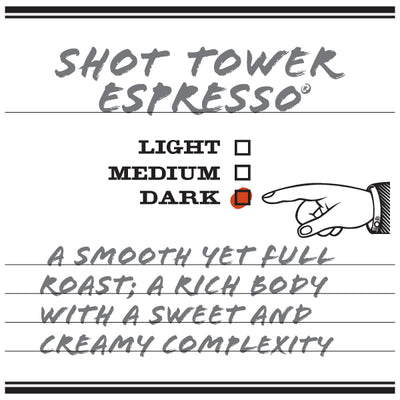
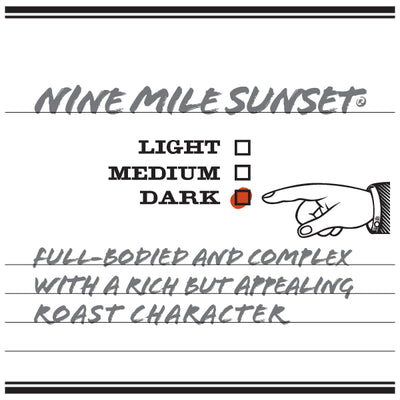
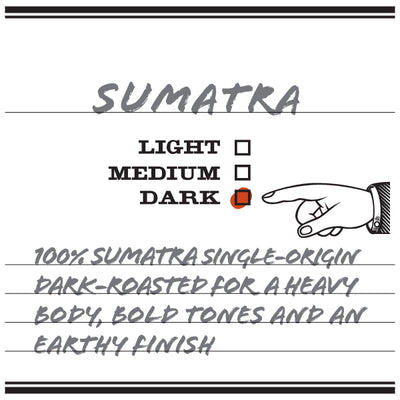
Darker roasts naturally taste more bitter than lighter ones. This is normal and expected.
If your coffee tastes too bitter even when brewed correctly, switching to a medium or light roast may help balance the flavor.
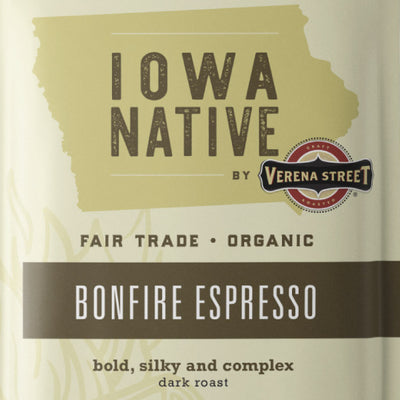
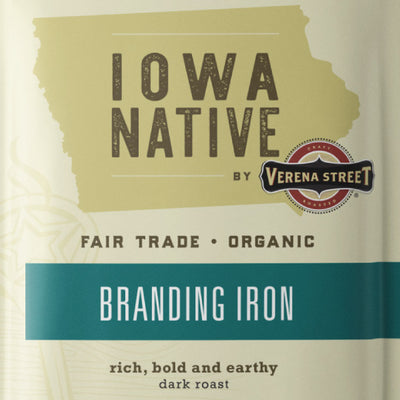
Looking for a smoother starting point? Explore Verena Street Coffee’s best-selling beans, selected for balanced flavor and consistency.
Brewing Variables That Cause Bitterness
Most bitterness comes from how the coffee is brewed. A few key variables matter most.
Grind Size Problems
Grind size controls how quickly water flows through the coffee.
A grind that is too fine slows the water down, which can lead to over-extraction and bitterness. Making the grind slightly coarser often improves the taste.
Water Temperature and Brewing Time
Very hot water extracts flavor quickly. If the water is near boiling, bitter compounds are pulled out faster.
Long brew times have the same effect. Brewing with slightly cooler water and following recommended brew times helps keep bitterness in check.
Water Quality and Minerals
Water makes up most of your coffee. Hard water with high mineral content can affect extraction and make bitterness more noticeable.
Using filtered water can help create a more balanced cup.
Equipment Cleanliness and Old Oils
Coffee oils build up on brewing equipment over time. These oils can turn stale and add bitter flavors to fresh coffee.
Regular cleaning of your brewer helps prevent this problem.
Taste Testing and Small Adjustments
The best way to improve coffee is to change one variable at a time. Adjust the grind, brew time, or water temperature, then taste again.
This makes it easier to find what works for you.
Quick Fixes You Can Do Today
- Use fresh coffee beans
- Grind slightly coarser
- Lower water temperature a bit
- Shorten brew time
- Clean your equipment
Start with grind size and water temperature for the fastest improvement.
When Bitter Is Normal And When It’s Not
Some bitterness is normal, especially in darker roasts. But if the coffee tastes sharp, burnt, or unpleasant, it usually means the coffee was over-extracted.
Conclusion and What to Do Next
Bitter coffee is usually the result of too much extraction. By making small adjustments to how you brew, you can reduce bitterness and bring back balance.
Focus on one change at a time, and your next cup should taste noticeably better.
FAQs About Bitter Coffee
How to take the bitterness out of coffee?
The fastest way to reduce bitterness is to stop over-extracting the coffee. This usually means grinding a little coarser, brewing for less time, or using slightly cooler water. These changes limit how many harsh compounds are pulled from the grounds and help bring the flavor back into balance.
Why is my coffee leaving a bitter taste in my mouth?
A bitter aftertaste happens when coffee extracts too much and coats the tongue with dry, harsh compounds. This is often caused by very fine grinds, long brew times, or water that is too hot. Cleaning your equipment can also help, since old coffee oils make bitterness linger.
Why does coffee suddenly not taste good anymore?
If coffee suddenly tastes bad, something in the process likely changed. Beans may be older, the grind size may have shifted, or the brewer may need cleaning. Even small changes in water temperature or water quality can noticeably affect flavor.
Why is my coffee bitter, sour, or burnt?
These flavors point to imbalance during brewing. Sour coffee usually means under-extraction, while bitter or burnt coffee means over-extraction or water that is too hot. When both happen together, it often comes from uneven grinding or poor water flow, which causes some grounds to over-brew while others under-brew.






Leave a comment
All comments are moderated before being published.
This site is protected by hCaptcha and the hCaptcha Privacy Policy and Terms of Service apply.