The best coffee for beginners is smooth, approachable, and easy to match to your taste.
You do not need to understand roast science or coffee tasting terms to choose your first bag. Start with three things:
- The flavors you already enjoy
- How bold you want your coffee
- How you plan to brew it
A balanced medium roast is a good starting point for many people, but it is not your only option. You might prefer a lighter coffee, a flavored blend, or decaf.
This guide will help you understand the basics and find a Verena Street coffee that fits your taste.
What Should a Coffee Beginner Order at a Café?
If you are brand new to coffee, keep your first order simple.
Try a latte if you want something smooth and easy to drink. It combines espresso with plenty of steamed milk, which softens the coffee flavor and makes it a gentle place to start.
Try a regular drip coffee with a little milk or cream if you want to taste more of the coffee itself without jumping straight to black coffee.
It also helps to choose a good café. Check recent reviews, look for somewhere known for making coffee well, and do not judge coffee based on one bad cup.
Even good cafés can have an off day. Your first drink might be too bitter, too weak, or just not made the way you like it. Try coffee from a few different places before deciding that coffee is not for you.
You do not need to worry about beans, origins, or roast terminology yet. For now, just figure out whether you prefer coffee creamy and mild or more coffee-forward.
Once you know that, everything else gets easier.
What Makes a Good Coffee for Beginners?
Coffee can taste very different from one bag to another. Some cups are bright and lively. Others are rich, smooth, sweet, or bold.
If you are new to coffee, look for a flavor profile that sounds familiar and inviting.
A good coffee for beginners will often have one or more of these qualities:
- Balanced flavor: No single characteristic overwhelms the cup.
- Smooth body: The coffee feels pleasant rather than harsh.
- Familiar tasting notes: Chocolate, caramel, nuts, and similar flavors can be easier to recognize.
- Clean finish: The flavor does not leave an unpleasant aftertaste.
That does not mean you have to start with mild coffee. If you already enjoy strong, roasted flavors, a bolder coffee may suit you.
The goal is simple: choose based on taste, not what you think a coffee drinker is supposed to order.
What Roast of Coffee Is Best for Beginners?
Roast level is one of the first labels you will see when shopping for coffee.
Coffee generally falls into three broad groups: light, medium, and dark roast. Each offers a different experience.
| Roast | What to expect | Try it if you like |
|---|---|---|
| Light | Brighter, lighter roast character | Lively, more delicate flavors |
| Medium | Balanced body and roast flavor | A classic everyday cup |
| Dark | Deeper, heavier roast character | Bold, rich flavors |
If you have no idea where to start, medium roast is a practical first choice. It gives you a useful middle point between lighter and darker styles.
From there, let your taste guide you.
If you want something brighter, move toward a lighter roast. If you want deeper roast character, try something darker.
One important point: roast level and brew strength are not the same thing.
If your coffee tastes weak, you may need to adjust how you brew it rather than buy a darker roast. Likewise, a darker roast is not automatically better for every drinker.
Blend vs. Single-Origin Coffee
You will also see coffees described as blends or single origin.
A blend combines coffees from multiple origins. Roasters can use those coffees together to create a particular balance, body, and flavor profile.
This can make blends a useful place for beginners to start. You can focus on whether you enjoy the overall cup rather than trying to identify individual origin characteristics.
Single-origin coffee comes from one particular origin. It gives you another way to explore how where coffee is grown can influence what you taste.
You do not need to choose one over the other permanently.
Start with a balanced blend. Then compare it with an approachable single-origin coffee. The difference will teach you more about your preferences than reading a long list of tasting terms.
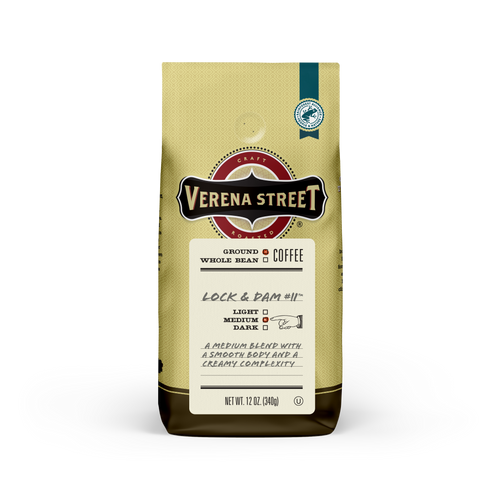
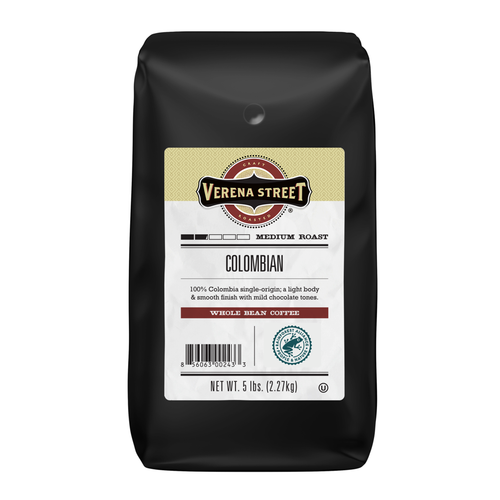
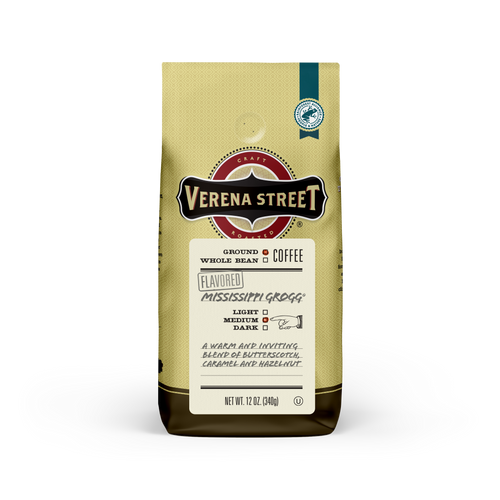
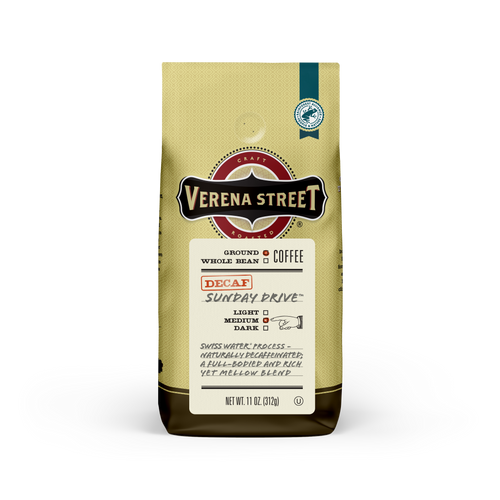
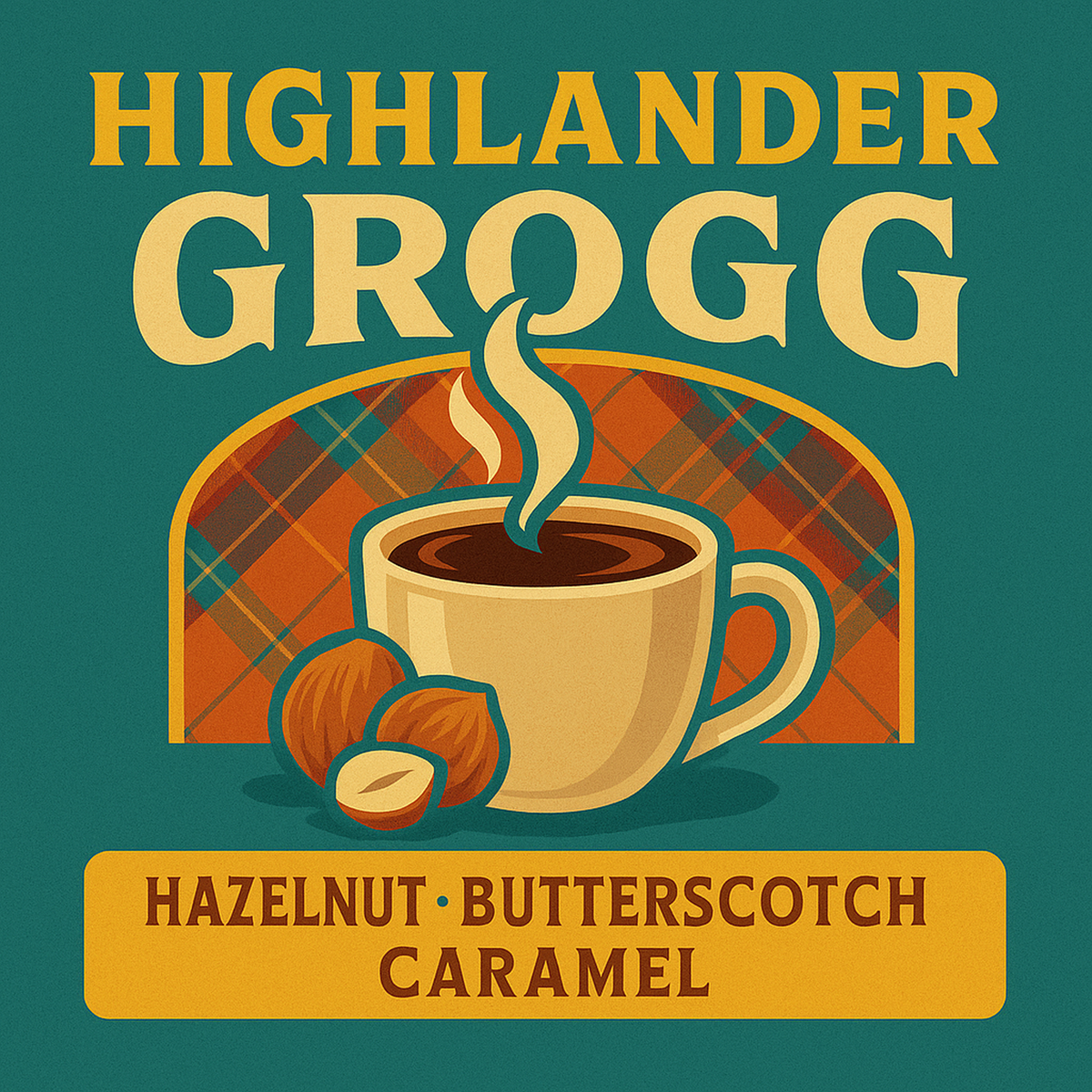
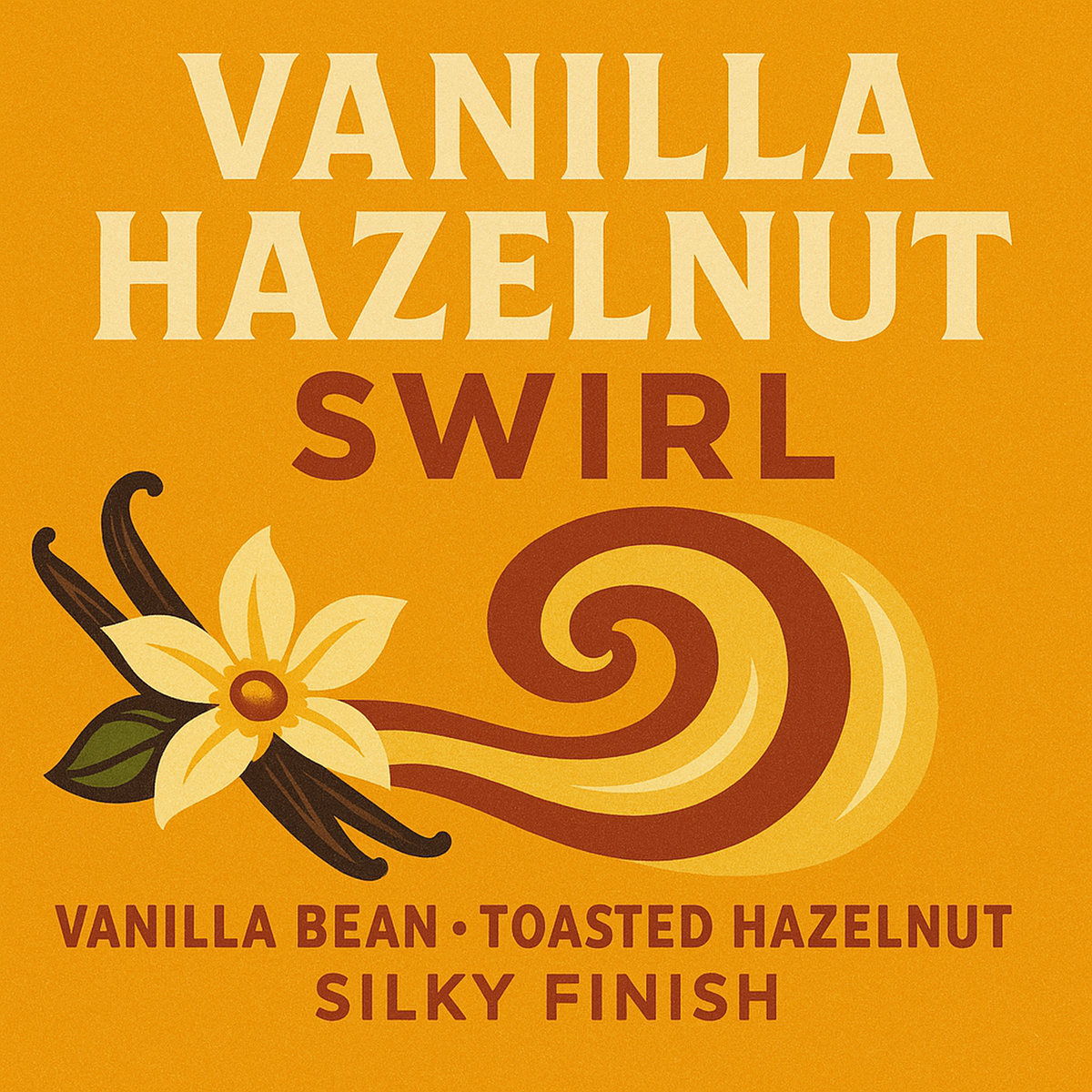
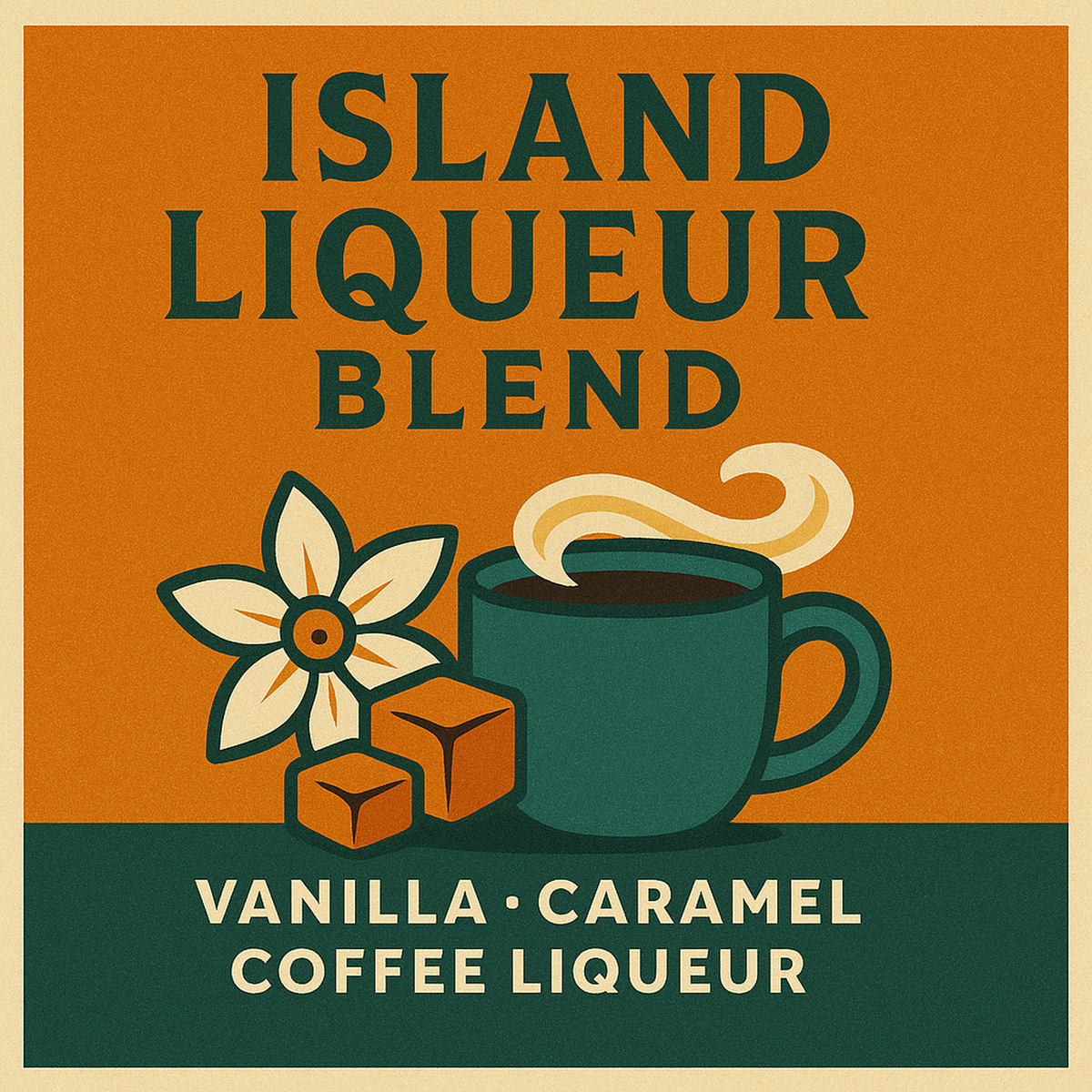
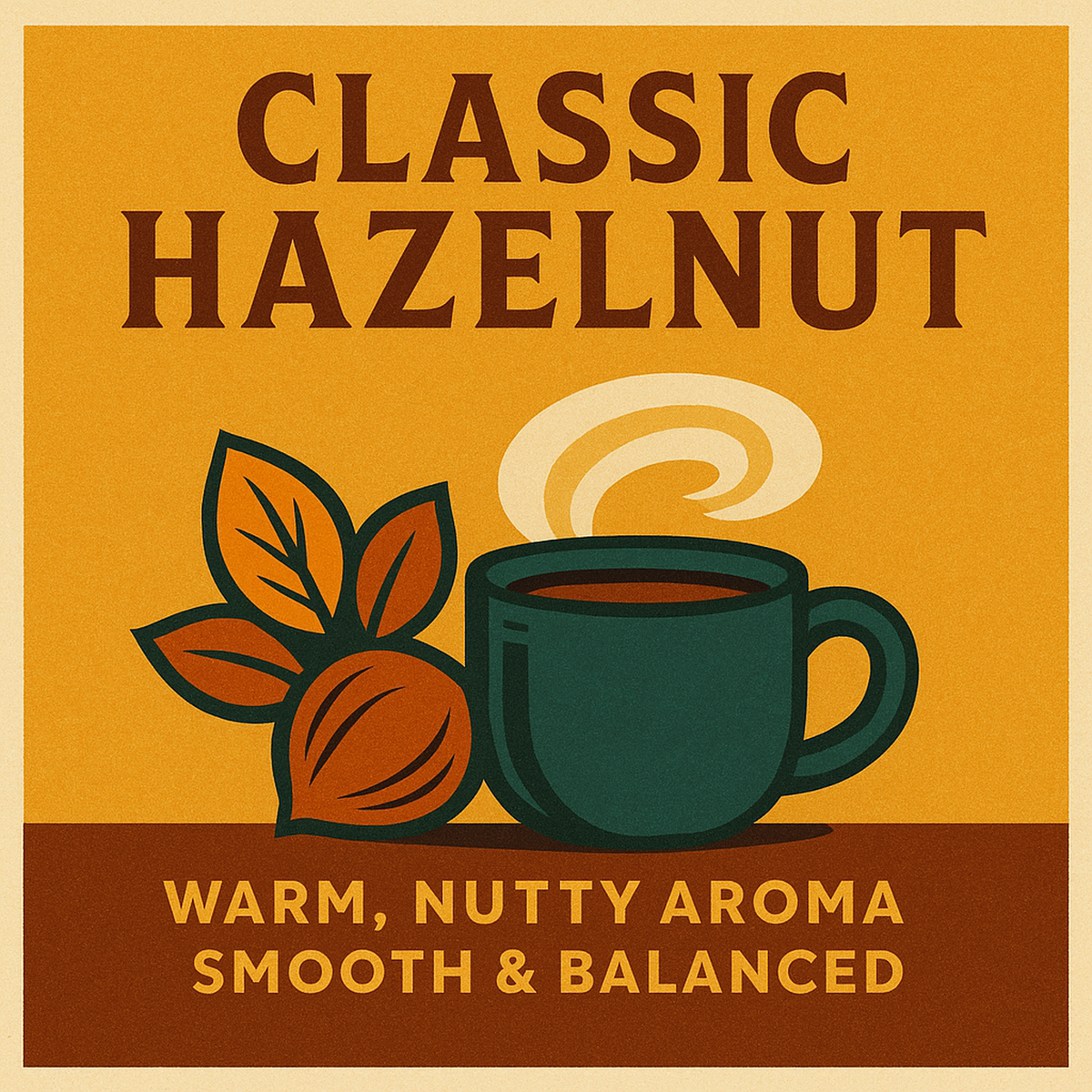
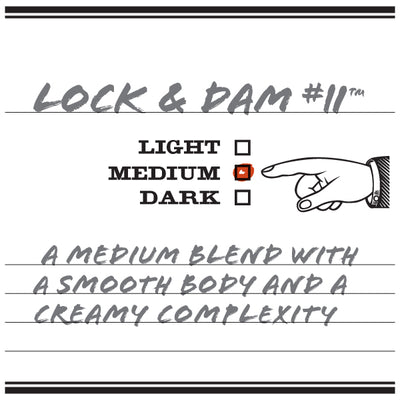
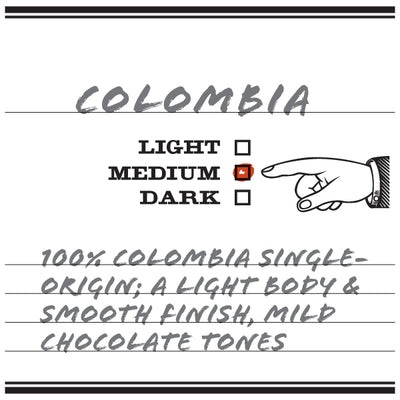
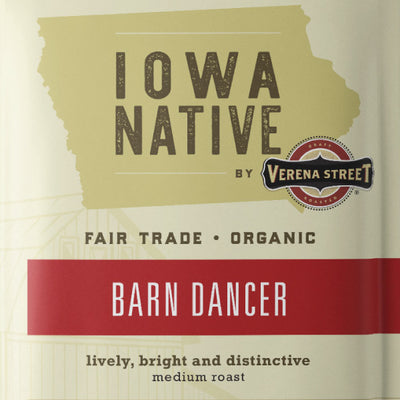
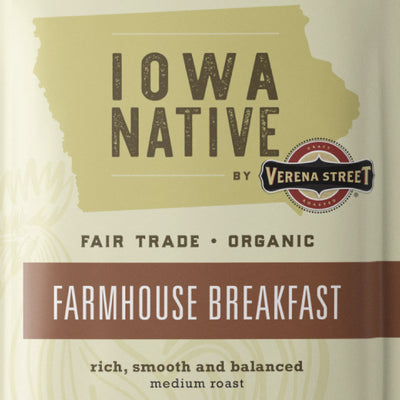
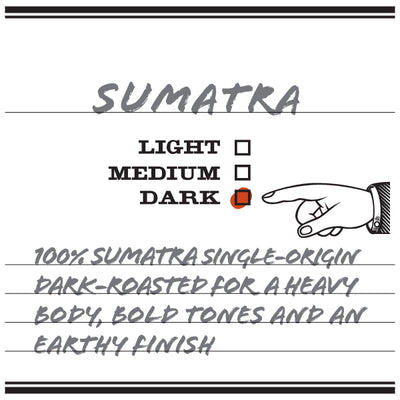
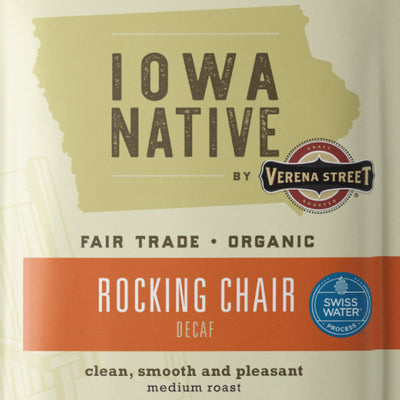
5 Best Coffee Choices for Beginners From Verena Street
There is no single best coffee for every beginner. Start with the style that sounds closest to what you already enjoy.
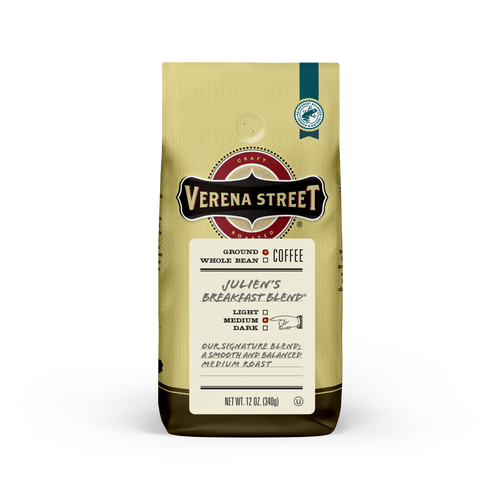
Not Sure What You Like? Start With a Coffee Sample Pack
The hardest part of buying your first coffee is simple: you do not know what you like yet.
You can read descriptions all day, but tasting several coffees gives you a much faster answer.

The Verena Street 6-Coffee Sample Pack includes six 2-ounce packs of ground coffee:
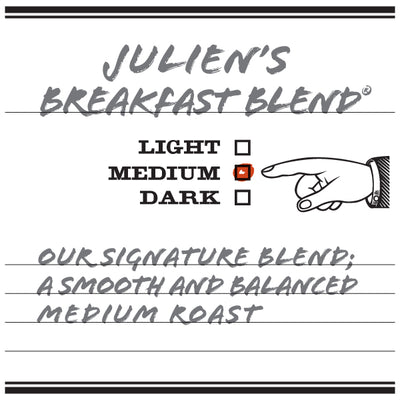
- Julien's Breakfast Blend
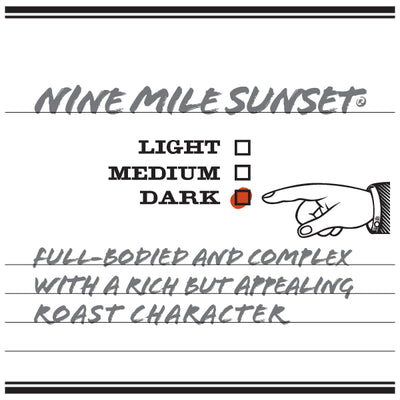
- Nine Mile Sunset
- Colombian
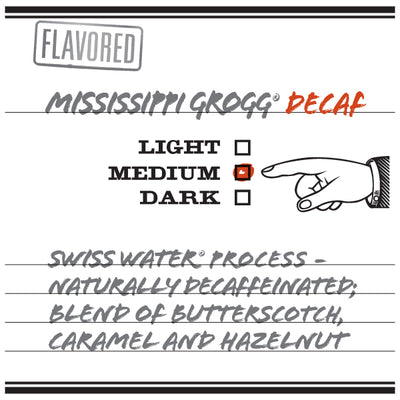
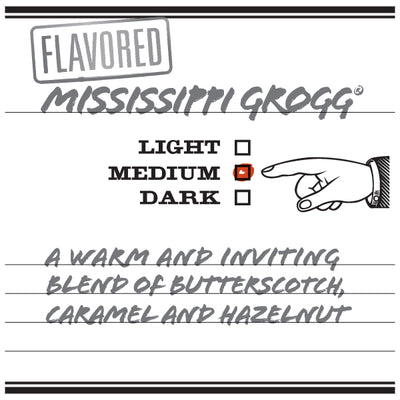
- Mississippi Grogg
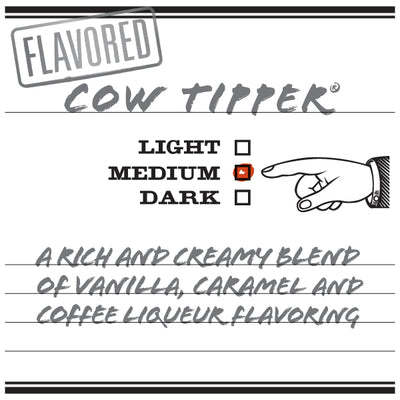
- Cow Tipper
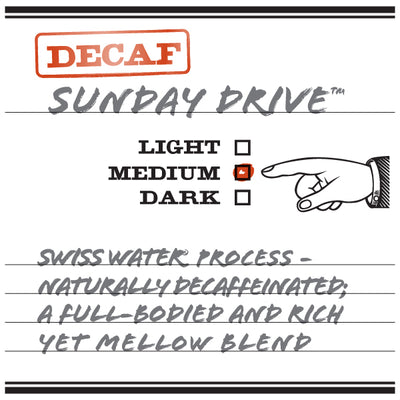
- Sunday Drive Decaf
The variety gives you several styles to compare without buying a full-size bag of each one.
You do not need to turn it into a formal tasting.
After each coffee, ask yourself three questions:
- Was it smooth enough for me?
- Was it more bitter or bold than I wanted?
- Would I drink another cup?
Write down your answers.
After a few coffees, you should start seeing a pattern. Maybe you prefer balanced medium roasts. Maybe darker coffee wins. Perhaps flavored coffee is your favorite.
That makes your next purchase much easier.
How Beginners Can Brew Better Coffee
You do not need expensive equipment to make enjoyable coffee at home.
A basic drip coffee maker is enough to get started.
Focus on consistency:
- Use fresh water.
- Measure your coffee instead of guessing.
- Use the appropriate grind for your brewer.
- Follow your brewer's recommended amounts as a starting point.
- Taste before changing anything.
If the cup tastes good, there is nothing to fix.
If it does not, adjust one thing at a time. Changing the amount of coffee, water, grind, and brewing method together makes it difficult to know what improved the cup.
Once you become comfortable with drip coffee, you can explore other methods if you want more control. There is no need to start with complicated equipment.
The best beginner brewing method is one you can use consistently.
Why Your Coffee Tastes Too Bitter
One of the fastest ways to decide that you dislike coffee is to repeatedly drink cups that are harsher than they need to be.
If your coffee tastes unpleasantly bitter, check the basics before giving up on the beans.
Try:
- Checking how much coffee you used
- Making sure the grind works for your brewer
- Using fresh, clean water
- Cleaning your coffee maker
- Trying a different roast or blend
- Adjusting one brewing variable at a time
Coffee naturally contains bitterness, but it should not automatically be unpleasant.
Sometimes the answer is simpler: you just do not like that particular coffee.
Try another one.
How to Learn What Coffee You Like
You do not need a trained palate to figure out your coffee preferences.
Compare coffees and pay attention to your reaction.
Was it smooth?
If yes, that may be a style worth exploring further.
Was it too bitter or bold?
If so, check your brewing first. If the coffee still feels too intense, try a different roast or flavor profile.
Would I drink it again?
This is the most useful question.
You do not need to identify every tasting note. If you want another cup, you found something worth remembering.
As you try more coffee, words such as light, balanced, bold, bright, and smooth will start to mean something based on your own experience.
That makes shopping much easier.
Leave a comment
All comments are moderated before being published.
This site is protected by hCaptcha and the hCaptcha Privacy Policy and Terms of Service apply.