



Coffee processing methods are the techniques used to remove the fruit from coffee beans after harvest. The method used affects how coffee tastes, including its sweetness, acidity, body, and clarity.
The three main coffee processing methods are washed, natural, and honey. Washed coffees tend to taste cleaner and brighter. Natural coffees often taste fruitier and heavier. Honey coffees usually fall somewhere in between. Experimental methods like anaerobic processing and carbonic maceration can create even more unusual flavor profiles.
If you have ever wondered why one coffee tastes crisp and citrusy while another tastes jammy or bold, processing is one of the main reasons.

What Are Coffee Processing Methods?
Coffee processing is the step that turns freshly picked coffee cherries into green coffee beans.
Coffee grows as a fruit called a cherry. Inside that fruit are the seeds, which become coffee beans. After harvest, the fruit must be removed and the beans must be dried before they can be roasted.
The way the fruit is removed is called the processing method. This matters because it changes how long the bean stays in contact with the fruit and sugars inside the cherry, which affects the final flavor.
After processing, the beans will then move into the roasting process, where their final flavor profile will take shape.
Quick Summary of Coffee Processing Methods
Coffee processing methods explain how the fruit is removed from the bean after harvest, and that choice has a direct effect on flavor.
- Washed coffee is cleaned before drying, which usually creates a bright and clear cup
- Natural coffee dries inside the fruit, which often creates sweeter, fruitier flavors
- Honey coffee dries with some sticky fruit still attached, which often creates a balanced cup with sweetness and body
- Wet hulled coffee is common in Indonesia and often tastes heavier, earthier, and lower in acidity
A simple way to remember them is:
- Washed = cleaned early
- Natural = dried in the fruit
- Honey = dried with some fruit left on
This simple framing helps answer the confusion many readers have when they first see these terms on a coffee bag.
Why Coffee Processing Matters
Processing is one of the biggest reasons coffees taste different.
It affects:
- sweetness
- acidity
- body
- clarity
Even two coffees from the same region can taste very different if they are processed differently. A washed coffee may taste crisp and structured, while a natural version of the same coffee may taste sweeter, fuller, and more fruit-forward.
That is why processing is such a useful guide when choosing coffee by flavor.
Why Processing Changes Flavor
Processing changes how much of the fruit interacts with the bean during drying.
The more fruit stays in contact with the bean, the more likely the coffee is to develop sweetness, fruitiness, and body. The less fruit contact there is, the more likely the coffee is to taste cleaner, brighter, and more defined.
That is why natural coffees often taste bold and fruit-forward. The bean dries inside the cherry, so the fruit has more influence on the final cup.
That is also why washed coffees tend to taste cleaner. The fruit is removed earlier, so the coffee often shows more clarity and more distinct flavor separation.
Honey processing sits in the middle. Some of the sticky fruit remains on the bean, so the coffee keeps some sweetness while still tasting cleaner than a natural coffee.
A simple way to remember it is:
- more fruit contact = more sweetness and body
- less fruit contact = more clarity and brightness
Washed/Wet Process Coffee
The washed process removes the fruit from the coffee bean before drying.
After harvest, ripe coffee cherries are first cleaned to remove dirt, stones, and other debris. The cherries are then run through a depulping machine, which removes the outer skin and most of the fruit from the seeds inside.
Those seeds are the green, unroasted coffee beans.
Next, the beans are placed in water to ferment. This breaks down the sticky fruit layer that still clings to the bean. Once fermentation is complete, the beans are washed clean and dried, often on raised beds or patios.
This method is also called the wet process because it uses water throughout several stages. It is more costly and labor-intensive than some other methods, but it is often used for higher-quality Arabica coffees because it gives producers more control.
After drying, the beans are sorted by size, density, and color. Any damaged beans or unwanted materials are removed. The coffee can then be graded based on defects, age, and cup quality.
Because the fruit is removed earlier, washed coffees often taste cleaner and more structured than other styles. They are usually associated with brighter acidity, clearer flavor notes, and a crisper finish.
If a coffee tastes citrusy, floral, or tea-like, washed processing often helps those notes stand out more clearly.

Taste the Smooth Side of Washed-Process Coffee
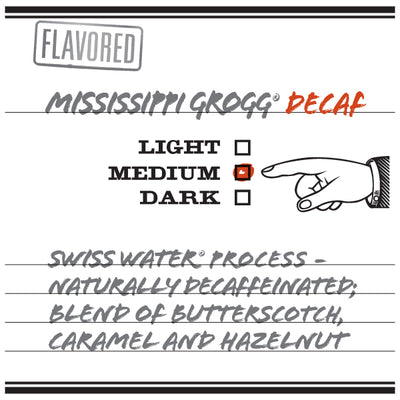
Our beans are washed processed to support a clean, balanced cup. Try Mississippi Grogg for a rich, smooth roast with warm, inviting flavor.
Shop Mississippi GroggNatural Process Coffee
Natural coffee is dried with the fruit still attached.
After harvest, the whole cherries are spread out on patios or raised beds and dried in the sun. During this time, the fruit slowly dries around the bean before it is removed.
A simple way to think about it is this: the cherry dries almost like a raisin, with the bean still inside. That longer fruit contact is one reason natural coffees often taste sweeter and fruitier.
Natural coffees are often fuller-bodied and more fruit-forward than washed coffees. Depending on the coffee, you may notice flavors like berries, tropical fruit, jam, or wine-like sweetness.
What does natural mean in coffee?
In coffee, natural means the bean dries inside the whole fruit before the fruit is removed.
It does not mean the coffee is organic or untreated. It simply describes the processing method. That is one of the most common points of confusion for newer coffee drinkers.
Honey Process Coffee
Honey process coffee sits between washed and natural processing.
In this method, the outer skin is removed, but some of the sticky fruit layer stays on the bean while it dries. That sticky layer is called mucilage.
Because some fruit remains during drying, honey-processed coffee often develops more sweetness than washed coffee, but usually tastes cleaner than natural coffee. The result is often a balanced cup with moderate sweetness, medium body, and softer acidity than a washed coffee.
Why is it called honey process coffee?
Honey process coffee does not use honey.
It is called honey process because the sticky fruit layer left on the bean during drying feels and looks a little like honey. That layer is part of the coffee cherry itself.
Red honey, yellow honey, and black honey
Some producers use terms like red honey, yellow honey, or black honey to describe how much mucilage is left on the bean and how the coffee is dried.
In general:
- lighter honey styles usually mean less mucilage or faster drying
- darker honey styles usually mean more mucilage or slower drying
These labels can vary by producer, but the basic idea is the same: they describe different versions of honey processing.
Anaerobic Coffee Processing
Anaerobic processing uses controlled fermentation in sealed tanks with little or no oxygen.
This gives producers more control over fermentation and can create more unusual flavor profiles than traditional methods. Anaerobic coffees are often intense, layered, and fruit-heavy. Some taste tropical, wine-like, or highly fermented, while others stay surprisingly clean but still taste more expressive than standard washed coffees.
This method is most common in specialty coffee and is often used for smaller or more experimental lots.
Carbonic Maceration Coffee
Carbonic maceration is an experimental method inspired by winemaking.
In this process, whole coffee cherries ferment in a carbon dioxide-rich environment before the beans are dried and finished. This can create coffees that taste especially juicy, sweet, aromatic, and complex.
Some carbonic maceration coffees show bright fruit notes and candy-like sweetness, while others feel smoother and rounder than more traditional processed coffees. It is not the most common method, but it shows how creative coffee processing has become.
Wet Hulled Coffee
Wet hulled coffee is a method most commonly associated with Indonesia.
In this method, the outer layers are removed and the beans are hulled earlier than in most other processes, while they still contain more moisture. This creates a cup profile that often tastes earthy, heavy, and lower in acidity, with savory or herbal notes that set it apart from washed, natural, and honey-processed coffees.
Wet hulled coffee is worth knowing because it produces a distinct flavor profile that does not fit neatly into the three main categories.
Washed vs Natural vs Honey Coffee
Here is a simple comparison of the three main methods:
| Method | Fruit Contact During Drying | Typical Flavor | Body | Acidity |
|---|---|---|---|---|
| Washed | Low | Clean, bright, crisp | Light to medium | Higher |
| Natural | High | Fruity, sweet, bold | Medium to heavy | Lower perceived acidity |
| Honey | Medium | Balanced, smooth, sweet | Medium | Medium |
This makes it easier to compare the three main methods side by side and understand how fruit contact changes the final cup.
How Coffee Processing Helps You Understand Flavor
Most coffee drinkers do not shop by processing method alone. Many coffee bags do not list whether a coffee is washed, natural, or honey processed.
Still, processing can be useful when it is listed. It helps explain why a coffee tastes clean and bright, sweet and fruity, or smooth and balanced.
In most cases, shoppers will notice processing through flavor notes rather than the label itself. A coffee described as crisp, citrusy, or floral is often washed. A coffee described as berry-like, jammy, or wine-like is often natural. A coffee described as balanced, sweet, or smooth may be honey processed.
Processing is best used as a flavor clue, not a strict shopping rule. If a bag includes the processing method, it can help you better predict what the coffee may taste like.









































Leave a comment
All comments are moderated before being published.
This site is protected by hCaptcha and the hCaptcha Privacy Policy and Terms of Service apply.