
Choosing the best coffee roast sounds simple. Most people are told to pick between light, medium, or dark and go with what “sounds right.”
But roast level changes more than taste alone. It affects how bright, smooth, or bold the coffee feels in the cup and how well it suits different brewing methods. Learning those basics makes it much easier to choose coffee with confidence.
The goal is not to find the “best” roast. The goal is to find the roast that works best for how you brew and what you enjoy drinking.
TL;DR: Medium roast is the most popular starting point for many coffee drinkers because it offers the easiest balance of flavor, body, and versatility across brewing methods.
What a Coffee Roast Really Changes
Roasting changes how coffee behaves during brewing.
As beans roast longer, they lose some of their original acidity and develop deeper, heavier flavors. Lighter roasts preserve more of the bean’s natural character. Darker roasts shift the flavor toward chocolate, smoke, and bitterness.
This matters because brewing is extraction. Different methods pull different compounds from the coffee. A roast that tastes balanced in one method can feel sharp or flat in another.
That is why roast choice should always start with how you make coffee. If you want a deeper breakdown of how roast levels work, see our guide to → coffee roast levels.
Why Brew Method Comes First
Most people choose based on taste alone. That feels natural, but it skips the most important variable.
Your brewing method controls how quickly and how completely flavors are extracted.
A drip coffee maker extracts at a steady, moderate rate. It does not exaggerate acidity or body. Because of that, a medium roast tends to work well here. It provides enough sweetness and structure without leaning too far in either direction.
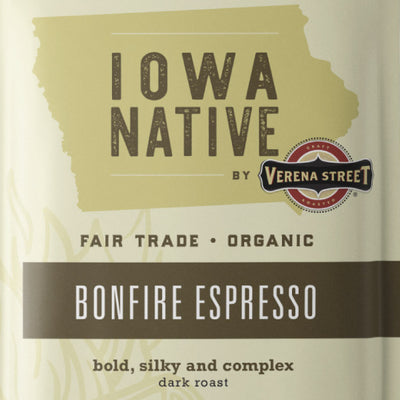
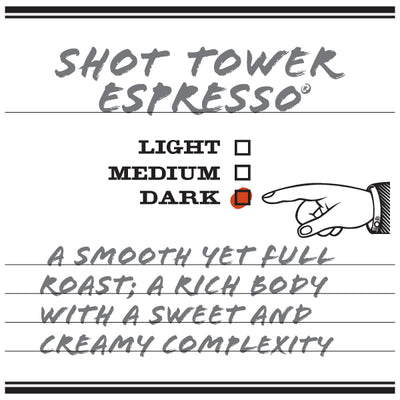
Espresso is different. It uses pressure to extract quickly and intensely. That process amplifies both pleasant and harsh flavors. Coffees with more developed roast character—often medium-dark to dark—tend to perform more consistently in this environment, especially when combined with milk.
Pour-over methods sit at the other end. They are slower and more controlled, often used to highlight clarity and subtle flavors. Lighter roasts are commonly chosen here because they retain more origin detail and brightness.
French press brewing extracts fully and produces a heavier body. Medium to dark roasts often feel more complete in this style because their depth matches the weight of the brew.
The pattern is consistent.
Brew method shapes extraction. Roast should match that method.
How Taste Preference Fits In
Once the brewing method is set, taste becomes the deciding factor.
Light roast coffee is often described as bright or fruity. More precisely, it allows more of the bean’s origin characteristics to remain visible. That can mean citrus, floral notes, or a tea-like finish depending on the coffee.
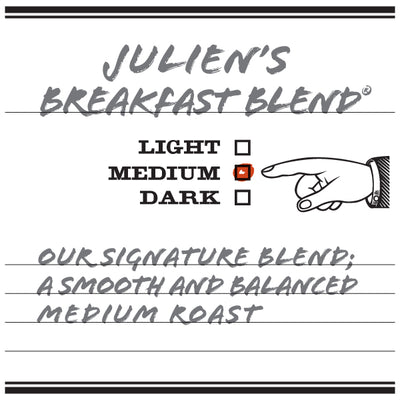
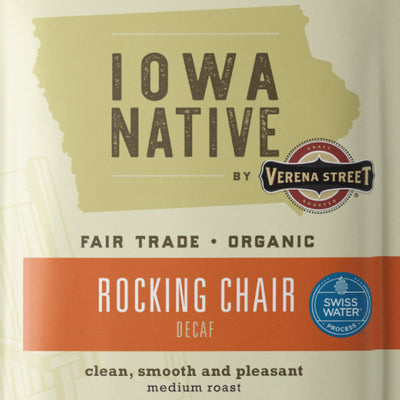
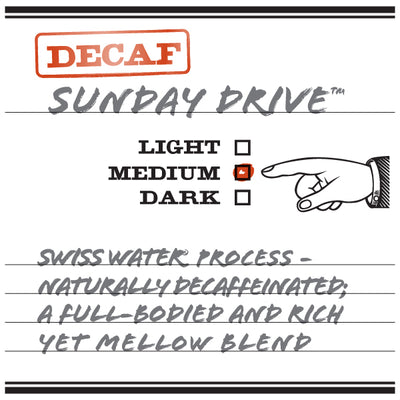
Medium roast reduces that variability. It develops more sweetness and body while keeping some of the original character. That is also why medium roast tends to become a go-to for many people. For example, blends like Julien’s Breakfast Blend are designed to sit right in that middle ground, with a smooth body and a rich but approachable flavor that works whether you drink your coffee black or with milk.

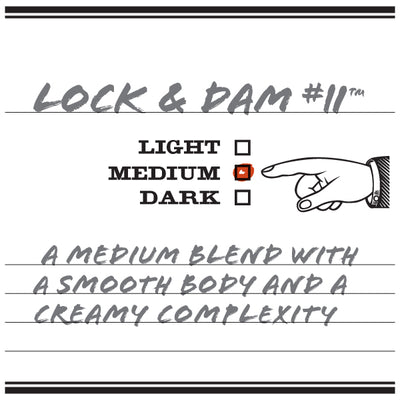
I love the Lock and Dam #11. Love the freshness of the roast, slightly oily appearance and full bodied brewed. I recommend this product to all of my co-workers and friends. – Jeff, verified customer
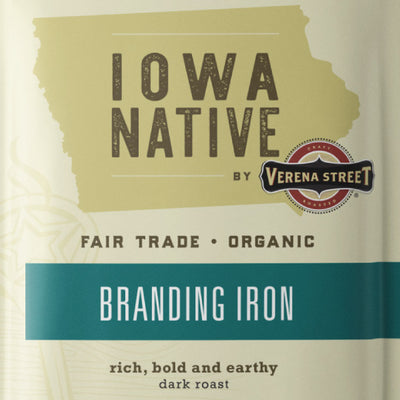
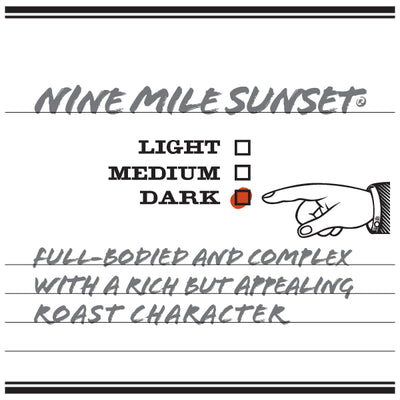
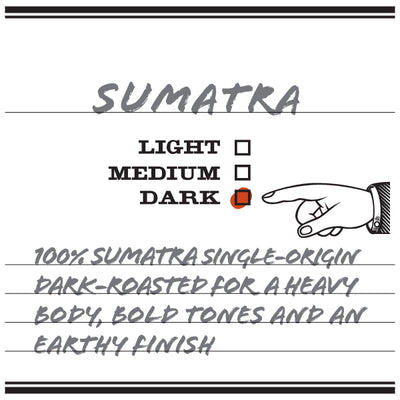
Dark roast shifts the flavor further toward the roasting process itself. Bitterness increases, acidity drops, and the result is a heavier, more intense cup. This is why it pairs well with milk and sugar. The flavor remains present even when diluted.
None of these are better than the others. They serve different purposes depending on what you want from your coffee.
Why “Strong Coffee” Is Often Misunderstood
One of the most common mistakes is choosing coffee based on the idea of strength.
Dark roast is often assumed to be stronger. In reality, it usually just tastes more intense.
Actual strength depends far more on how the coffee is brewed. The amount of coffee used, the grind size, and the extraction time all have a larger impact than roast level alone.
If coffee tastes weak, adjusting the brew will usually fix the issue more effectively than switching to a darker roast.
A Practical Way to Choose the Right Roast
A better approach is to make the decision in stages.
Start with your brewing method. This narrows the range of roasts that will extract well.
Then think about the experience you want in the cup. Not just flavor, but how it feels. Bright and light, smooth and balanced, or bold and heavy.
From there, make small adjustments rather than large jumps. If the coffee tastes too sharp or sour, moving slightly darker can help. If it feels dull or overly heavy, moving lighter can bring back clarity.
This is not a one-time decision. It is a process of narrowing in on what works for you.
What to Expect as You Experiment
Most people settle into a pattern over time.
Medium roast often becomes the default for daily drinking because it is consistent and easy to brew.
Light roast is usually explored when someone wants more variation and complexity, especially with manual brewing methods.
Dark roast tends to be preferred when the goal is intensity, particularly in espresso or milk-based drinks.
These are not rules. They are common outcomes based on how roast levels interact with brewing and taste.
Common Mistakes That Affect the Result
Even with the right roast, a few factors can change the outcome completely.
Freshness matters. Coffee loses flavor over time, so using recently roasted beans makes a noticeable difference.
Grind size matters. A grind that is too coarse or too fine for the brewing method will lead to poor extraction.
Water quality also plays a role. Since coffee is mostly water, any imbalance there will show up in the cup.
These variables often explain disappointing coffee more than the roast itself.
Final Take: The Best Coffee Roast Is a Match
There is no single best coffee roast.
There is only a match between:
- how you brew,
- what you enjoy,
- and how consistent you want your results to be.
Starting with brew method, then refining by taste, is the most reliable way to get there.
Once you find a roast that works, it becomes your baseline. From there, small changes can help you explore without losing what you already enjoy.
That is how better coffee actually happens.
FAQs About Coffee Roast Levels
What is the best coffee roast overall?
There is no universal best coffee roast. Medium roast is often the easiest starting point because it works well across many brewing methods and offers a balanced cup.
Is dark roast stronger than light roast?
Dark roast tastes stronger, but strength depends more on how the coffee is brewed than on the roast level itself.
Why does my coffee taste sour?
Sour coffee is often caused by under-extraction. A finer grind, a longer brew time, or a slightly darker roast can help create a more balanced cup.
Should I use different roasts for different methods?
Yes. Different brewing methods extract coffee differently, so matching the roast to the method usually improves the flavor and overall result.



Leave a comment
All comments are moderated before being published.
This site is protected by hCaptcha and the hCaptcha Privacy Policy and Terms of Service apply.