

Many coffee drinkers want a simple answer. They want to know how decaf tastes, how much caffeine stays in the cup, and when it makes sense to choose one over the other.
This guide keeps things clear. You will see how each type is made, how it tastes, and how to pick the right bag for your routine.
What Decaf Really Is
Decaf is not caffeine free. Most cups hold between two and fifteen milligrams. A regular cup often sits near ninety or more. The exact number depends on roast level and brew strength. The goal of decaf is simple. Lower stimulation while keeping a full cup experience. That only works when the roaster starts with quality Arabica and a clean method.
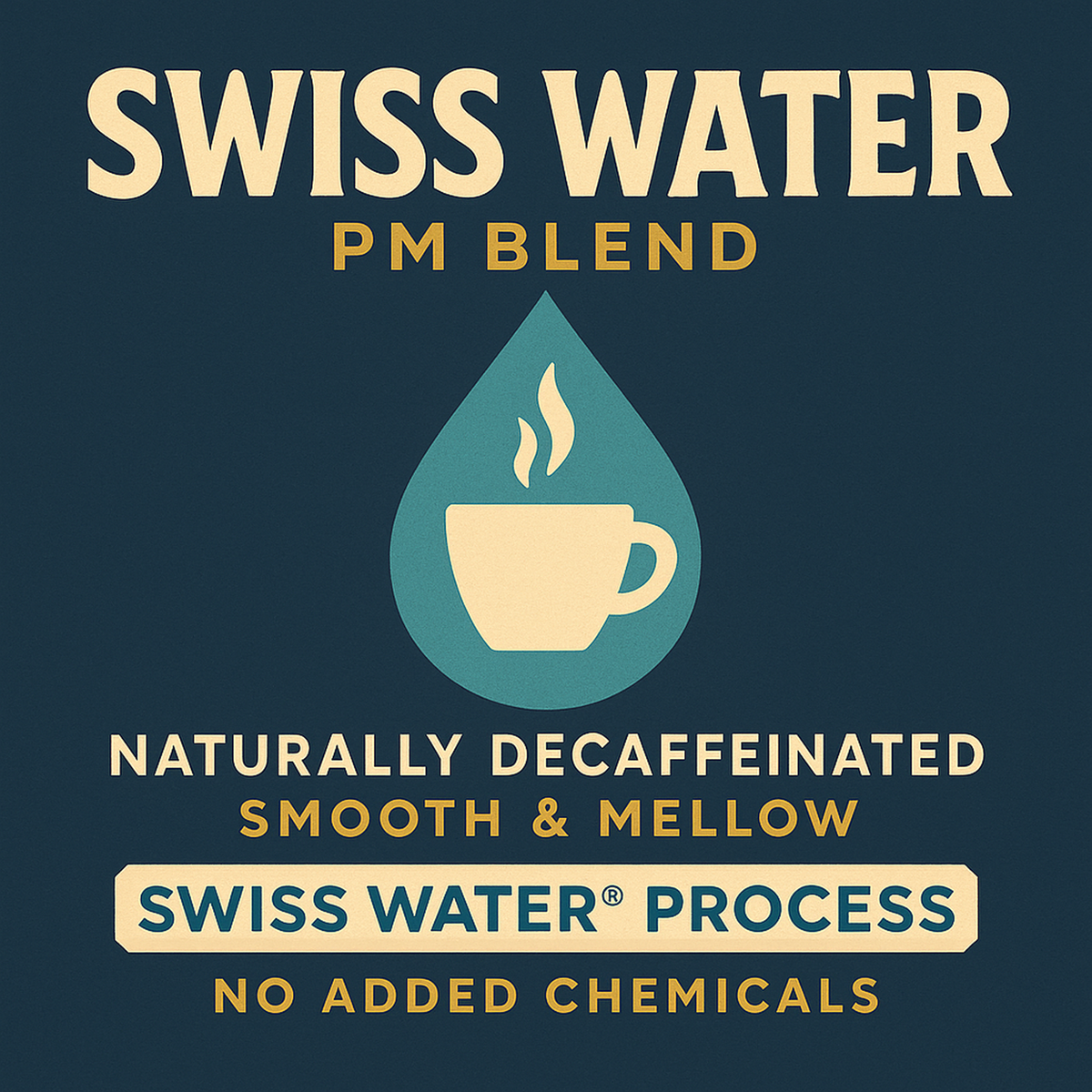
Swiss Water® Process is known for removing up to 99.9 percent of the caffeine from green coffee. It uses only water, time, and carbon filters. No chemicals touch the beans at any point. This makes it one of the most natural decaf methods available. The process protects sweetness and aroma and keeps the flavor close to regular coffee. Many drinkers choose it when they want very low caffeine and a cup that stays smooth and clean.
Decaf vs Regular Coffee
| Type | Shot Size | Typical Caffeine Range | High Outliers Found in Research | Notes |
|---|---|---|---|---|
| Decaf Espresso (Single Shot) | 1 oz | 0 to 3 mg | Up to ~16 mg | Most water processed shots stay low. Study shows variation in some cafés. |
| Decaf Espresso (Double Shot) | 2 oz | 2 to 6 mg | Up to ~20 to 30 mg (scaling potential) | Doubles do not always double caffeine cleanly. Large swings possible. |
| Regular Espresso (Single Shot) | 1 oz | 60 to 75 mg | Higher in light roasts | Standard range from major coffee orgs. |
| Regular Espresso (Double Shot) | 2 oz | 120 to 150 mg | Higher with larger baskets | True doubles use more grounds, not just more water. |
Most decaf shots fall near zero to three milligrams when water processed. A published study found some outliers near sixteen milligrams, so numbers can shift by café.
How Caffeine Gets Removed
You will see these terms on many coffee bags. Here is what each one means in simple language:
WATER BASED METHODS
- Swiss Water® Process. Warm water pulls caffeine from the beans. A carbon filter traps the caffeine. The flavor-rich water goes back into the tank so sweetness and aroma stay steady.
- Alternative water processes. Beans soak in water. Filters remove caffeine. The water gets reused to hold flavor in place.
CO2 BASED METHOD
- CO2 process. Pressurized carbon dioxide pulls caffeine from the bean structure. Common in large batch production.
SOLVENT BASED METHODS
- Direct solvent decaffeination. Beans get steamed. A food safe solvent touches the surface and binds to caffeine. The beans are rinsed and dried.
- Chemical solvent process. A solvent targets caffeine before being washed away.
- Methylene chloride method. A controlled solvent that removes caffeine with little effect on flavor.
- Ethyl acetate process. A solvent found in fruit. Often called the sugarcane method when sourced from sugarcane.
- Sugarcane decaf. Uses natural ethyl acetate from sugarcane. Leaves a mild sweet finish.
Why Regular Coffee Feels Different
Regular coffee holds enough caffeine to lift energy and sharpen focus. Many people feel it within the first hour. Energy rises, then fades as the body breaks caffeine down. Some feel jittery when they stack cups close together. Some feel stomach sensitivity when they push the dose. Evening cups can interrupt sleep for many people.
Taste and Body in Each Cup
Regular coffee keeps all of its natural compounds. It often tastes fuller. Aroma stays sharp. Notes show more clarity. Fruit, chocolate, nuts, and spice appear in wider range.
Decaf tastes smoother and more gentle. Some brightness softens during early soaking steps. A medium roast often brings sweetness forward. Skilled roasting helps protect aroma and body.
When you compare high quality regular coffee to high quality decaf, the flavor does not flip. It softens.
How Water Process Decaf Method Helps Flavor
Decaf earns a poor reputation because many versions taste thin or carry a chemical note. Those cups usually come from solvent based methods that strip more than caffeine. This is why Swiss Water® Process stands out. It relies on clean water, temperature control, and a carbon filter to remove caffeine while keeping the natural flavor structure intact.
Swiss Water® Process beans roast with steady development and hold their sweetness. They deliver a smoother body and a clean finish that reminds people of regular coffee. Many of our decaf customers point out that they would not know it was decaf if the label did not say so. That comes from the way water processing protects aroma and mouthfeel.
We use Swiss Water® Process for all of our decaf options because it gives us predictable flavor and consistency. Sensitive drinkers get a low caffeine cup without losing character. Regular drinkers get a reliable option for late afternoons. It is a method that has earned trust across our customer base because it produces a richer result than older approaches.
If you avoided decaf in the past, this method gives you a better starting point. It keeps the flavor of the bean at the center and delivers a cup that fits into any routine.
Check out our Swiss Water® Process decaf coffee range.
When Each One Fits Your Day
Choose regular coffee when you want clarity and full aroma. It suits mornings, study sessions, and long drives. Choose decaf when you want comfort without strong stimulation. It suits evenings, social events, and travel.
Many people drink regular in the morning, then switch to decaf after lunch. This helps with sleep while keeping the flavor they enjoy. Some carry decaf in a travel mug because it stays steady in taste as it cools.
Health Differences in Decaf vs Regular Coffee
Caffeine affects people in different ways. Some feel more focused while others feel uneasy or overstimulated. Sensitivity rises with age, poor sleep, or certain conditions. Decaf gives you a way to enjoy coffee with far less stimulation. Regular and decaf both supply antioxidants and share similar nutrition, so your choice comes down to how you respond to caffeine.
Health-focused drinkers often look at the decaf method as well as the caffeine level. Solvent based methods strip flavor compounds and leave residue that some people try to avoid. Water based methods rely on temperature control, pure water, and filtration. This keeps the natural structure of the bean intact and avoids chemical steps. People who take a closer look at ingredients and processing tend to choose water processed decaf because it fits a cleaner, more mindful routine.
How to Pick a Good Bag
Freshness matters. Look at the roast date to make sure the coffee has not sat too long. Light roasts taste crisp. Medium roasts feel balanced. Dark roasts deliver a stronger body. Choose sealed bags with a freshness valve to protect aroma.
For decaf, look for Swiss Water® Processor another water based method. These methods remove caffeine while keeping flavor compounds intact. For regular coffee, look for tasting notes, clear origins, and roasters who publish roast dates and sourcing details.
Verena Street Coffee Picks
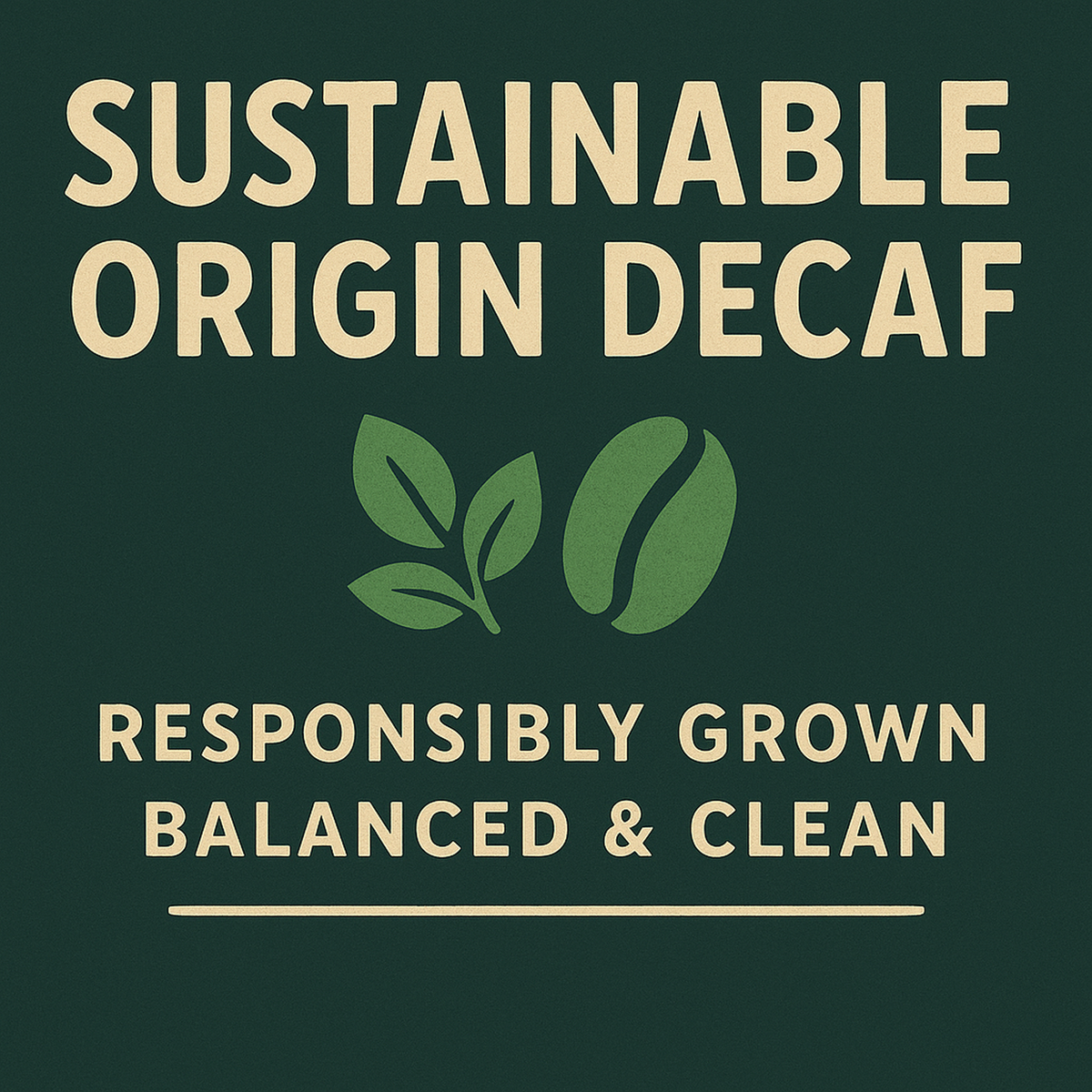
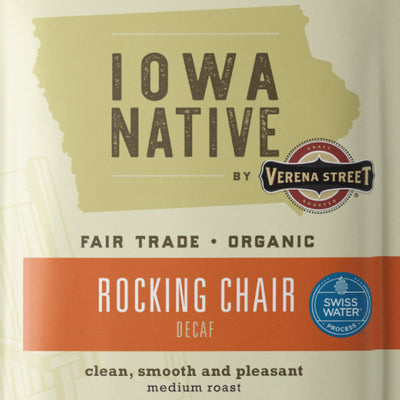
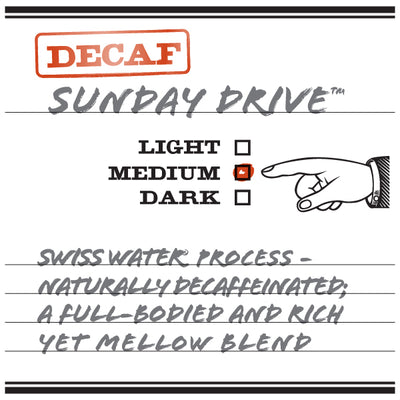
All three of our decaf offerings are decaffeinated via the Swiss Water® Process. Sunday Drive is our signature decaffeinated coffee that’s smooth, relaxing, and utilizes our highest-grade specialty decaf beans. This blend is Rainforest Alliance Certified. Like a casual Sunday drive, this coffee will leave you relaxed, refreshed, and revitalized.

Shop our Swiss Water® Process decaf coffee range.
FAQs About Decaf vs Regular Coffee
Is decaf caffeine free?
No. Most cups contain about 2 to 15 milligrams in an 8 oz serving, compared with about 95 milligrams in regular coffee.
Does decaf taste weaker?
It tastes softer. A good roaster protects sweetness and body, especially when using water process methods.
Is regular better for mornings?
Most drinkers enjoy the lift in the first half of the day. Typical guidance suggests keeping total caffeine under 400 milligrams per day for most healthy adults.
Will decaf help with sleep?
Yes. Switching to decaf in the afternoon can reduce sleep disruption for many people who are sensitive to caffeine.













Leave a comment
All comments are moderated before being published.
This site is protected by hCaptcha and the hCaptcha Privacy Policy and Terms of Service apply.