
Choosing between dark roast and medium roast coffee comes down to the flavor experience you want in your cup.
Choose medium roast if you enjoy balanced sweetness, subtle complexity, and tasting the unique characteristics of the coffee bean. Choose dark roast if you prefer a bold, full-bodied coffee with rich chocolate notes and a smooth finish.
Despite a common coffee myth, roast level has very little effect on caffeine content. The biggest differences are flavor, body, perceived acidity, and how each roast performs with different brewing methods.
Dark Roast vs Medium Roast: Quick Comparison
| Feature | Medium Roast | Dark Roast |
|---|---|---|
| Flavor | Sweet, balanced, and origin-focused | Rich, bold, and roast-focused |
| Body | Medium | Full |
| Perceived acidity | Moderate | Lower |
| Caffeine | Nearly identical by weight | Nearly identical by weight |
| Bean appearance | Medium brown and usually dry | Dark brown and often slightly oily |
| Best brewing methods | Drip, pour over, and AeroPress | Espresso, French press, and cold brew |
| Best for | Complexity and clarity | Richness and consistency |
Which Roast Should You Choose?
There is no universally better roast. The right choice depends on your flavor preferences, brewing method, and how you normally drink coffee.
Choose Medium Roast If You:
- Enjoy balanced sweetness and complexity.
- Like tasting the differences between coffee-growing regions.
- Use a drip coffee maker, pour over brewer, or AeroPress.
- Prefer chocolate, caramel, fruit, or nutty flavors.
- Want a clean finish with moderate brightness.
Medium roast balances the coffee’s natural characteristics with the sweetness developed during roasting. It allows the bean’s origin to remain recognizable while creating a smooth and approachable cup.
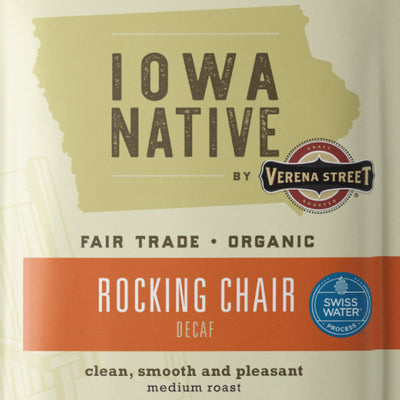
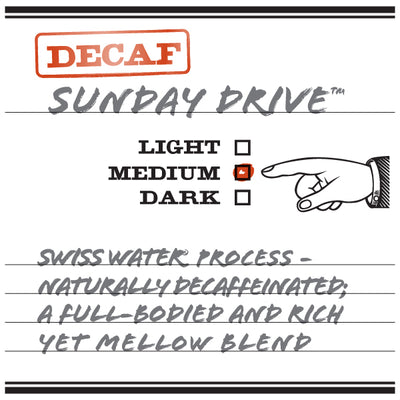
Explore the Verena Street Medium Roast Coffee Collection for balanced coffees suited to drip brewing, pour over, and everyday drinking.
Choose Dark Roast If You:
- Prefer bold, full-bodied coffee.
- Regularly drink espresso or milk-based coffee.
- Enjoy dark chocolate, roasted nuts, caramel, or baking spices.
- Want lower perceived acidity.
- Like a rich and lingering finish.
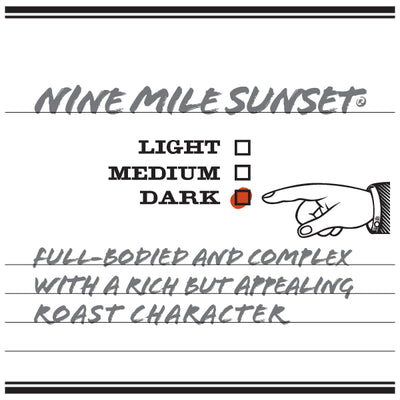
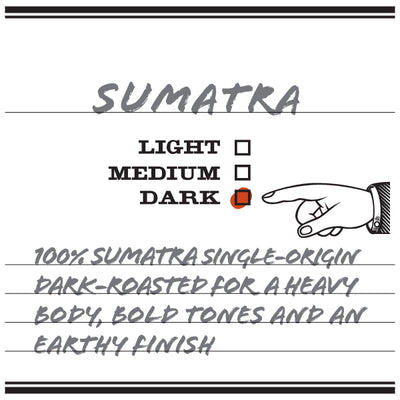
Dark roast develops deeper roasted flavors while reducing many of the brighter notes found in lighter roasts. A carefully developed dark roast should taste rich and smooth rather than burnt.
Browse the Verena Street Dark Roast Coffee Collection for full-bodied blends with deep, satisfying flavor.
Does Dark Roast Have More Caffeine?
No. Medium roast and dark roast contain almost the same amount of caffeine when measured by weight.
Dark roast often tastes stronger, so many people assume it contains more caffeine. In reality, roast level has very little effect on the amount of caffeine in your cup.
The small difference between the two usually comes from how the coffee is measured.
When Coffee Is Measured by Weight
When you use a kitchen scale, medium and dark roast contain virtually the same amount of caffeine.
Caffeine remains relatively stable during roasting. Dark roast beans lose more moisture and mass, but very little caffeine is destroyed. The final difference is too small to have a noticeable effect in most cups.
When Coffee Is Measured by Volume
When you use a scoop instead of a scale, medium roast may contain slightly more caffeine.
Dark roast beans expand during roasting and become less dense. A scoop of dark roast therefore holds less coffee by weight than the same scoop of medium roast.
This explains why some sources claim dark roast has more caffeine while others say medium roast does. They may be using different measuring methods.
What Affects Caffeine More Than Roast Level?
- Bean species: Robusta naturally contains more caffeine than Arabica.
- Coffee dose: Using more ground coffee increases the total caffeine in the drink.
- Brew ratio: A stronger coffee-to-water ratio usually produces more caffeine per serving.
- Extraction: Grind size, water temperature, and brew time affect how much caffeine enters the cup.
- Serving size: A large mug of drip coffee often contains more total caffeine than a small espresso.
- Roast level: This has one of the smallest effects.
What's the Difference in Flavor?
The biggest difference between medium roast and dark roast is what you taste in the cup. Medium roast preserves more of the coffee's natural character, while dark roast develops deeper flavors created during roasting.
Neither approach is better. They're simply designed to create different drinking experiences. If you enjoy exploring the unique characteristics of coffee from different regions, medium roast will usually offer more variety. If you prefer rich, familiar flavors with plenty of body, dark roast is likely to be a better fit.
Medium Roast Flavor Profile
Medium roast sits at the point where the coffee's natural flavors and the flavors created during roasting are in balance.
Depending on where the coffee was grown and how it was processed, you may notice flavors such as:
- Milk chocolate
- Caramel
- Brown sugar
- Toasted almonds
- Honey
- Citrus
- Stone fruit
Because medium roast finishes before Second Crack, many of the compounds responsible for fruit, floral, and regional characteristics remain intact. That's why specialty coffee roasters often use medium roast to showcase what makes one origin different from another.
Medium roast beans are typically medium brown with a dry surface. If beans labeled as medium roast appear oily, they've either been roasted darker than expected or have aged long enough for natural oils to migrate to the surface.
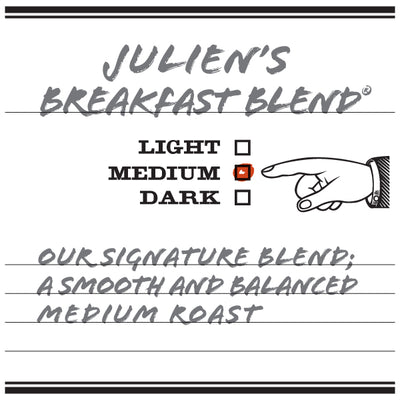
Start Your Morning with Julien's Breakfast Blend
Looking for a balanced, smooth cup that highlights sweetness and rich flavor? Julien's Breakfast Blend is crafted for everyday enjoyment.
 Shop Julien's Breakfast Blend
Dark Roast Flavor Profile
Dark roast shifts the focus away from origin and toward flavors created during roasting.
Instead of highlighting fruit or floral notes, dark roast develops flavors such as:
- Dark chocolate
- Molasses
- Roasted caramel
- Brown spice
- Toasted nuts
- Light smoky notes
The longer roast also produces a fuller body and a lingering bittersweet finish. These characteristics help dark roast perform especially well in espresso and milk-based drinks, where delicate fruit flavors can easily become muted.
Well-developed dark roast should taste rich and smooth—not burnt. Careful roast development creates sweetness alongside deeper roasted flavors without overwhelming the coffee.
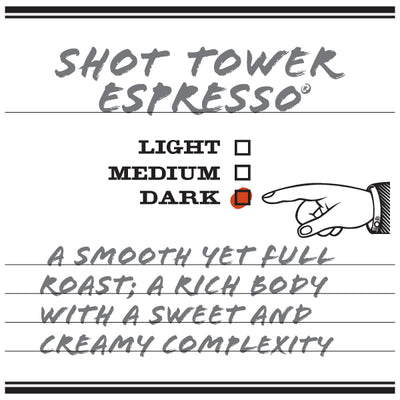
Experience Bold Flavor with Shot Tower Espresso
Prefer a rich, full-bodied coffee with deep chocolate notes and a smooth finish? Shot Tower Espresso is roasted to deliver exceptional flavor as espresso while producing a bold, satisfying cup.
 Shop Shot Tower Espresso
Is Medium Roast More Acidic Than Dark Roast?
Yes—but "acidity" means two different things.
When coffee professionals talk about acidity, they usually mean the bright, lively flavors that make coffee taste vibrant. Scientists, however, measure acidity using pH. Roast level influences both, but not in exactly the same way.
Perceived Acidity
Medium roast generally tastes brighter because it retains more of the coffee's naturally occurring organic acids. These acids contribute flavors often described as citrus, apple, berry, or stone fruit.
During darker roasting, many of these compounds break down, creating a smoother and less vibrant flavor profile. That's why dark roast is commonly described as having lower perceived acidity.
Measured Acidity (pH)
Roast level also affects the chemistry of brewed coffee.
As roasting progresses, chlorogenic acids gradually break down, causing brewed coffee to become slightly less acidic in terms of pH. The difference is measurable but relatively small, with most brewed coffee remaining mildly acidic regardless of roast level.
One important detail is that chlorogenic acids break down into compounds such as quinic acid. While dark roast contains fewer total acids, quinic acid can contribute a sharper bitterness that some coffee drinkers mistake for acidity.
What Does This Mean for Your Cup?
- Choose medium roast if you enjoy bright, lively flavors.
- Choose dark roast if you prefer a smoother, more mellow cup.
- Neither roast is truly "low acid" compared to other beverages—they're simply different expressions of coffee.
Is Dark Roast Easier on the Stomach?
Possibly—but the evidence is still limited.
Some research suggests that dark roast coffee may stimulate less stomach acid than medium roast, but roast level is only one factor that influences how coffee affects digestion.
What the Research Shows
During roasting, the compound trigonelline breaks down into N-methylpyridinium (NMP). Dark roast contains more NMP than lighter roasts, and laboratory research suggests this compound may reduce gastric acid secretion.
At the same time, compounds such as chlorogenic acids decrease during roasting. Together, these changes may explain why some people find dark roast gentler on the stomach.
One often-cited study published in Molecular Nutrition & Food Research found that a dark roast blend stimulated less stomach acid than a medium roast blend with similar caffeine levels. However, the study involved only nine healthy participants and measured stomach acidity rather than digestive symptoms.
The findings are promising, but they shouldn't be interpreted as proof that dark roast is better for everyone.
Other Factors Matter More
If coffee regularly causes discomfort, these factors often have a greater impact than roast level:
- Drinking coffee on an empty stomach
- Using an overly strong brew ratio
- Over-extracting the coffee during brewing
- Your individual sensitivity to coffee
Brewing method can also play a role. Paper filters remove much of the naturally occurring cafestol and kahweol found in coffee oils, while French press and other unfiltered methods allow more of these compounds into the cup.
What Actually Happens During Roasting?
Roasting transforms green coffee into the flavors you recognize in your cup. It changes the bean's sugars, acids, and aromatic compounds, creating everything from bright fruit notes to rich chocolate flavors.
While every roaster develops their own approach, three stages have the biggest impact on flavor: the Maillard reaction, First Crack, and Second Crack.
The Maillard Reaction Creates Flavor
One of the most important stages of roasting is the Maillard reaction. This natural chemical reaction occurs when amino acids and sugars react under heat, producing hundreds of new flavor and aroma compounds.
It's responsible for many of the flavors people associate with coffee, including chocolate, toasted nuts, caramel, bread crust, and cocoa.
At the same time, caramelization breaks down the coffee's natural sugars, adding sweetness while deepening the bean's color.
First Crack Marks the Start of Drinkable Coffee
As the bean heats, water trapped inside turns to steam. Eventually, pressure builds until the bean expands and cracks open.
This event—known as First Crack—usually occurs around 385°F (196°C) bean temperature and signals the beginning of fully developed coffee flavors.
Medium roast typically finishes shortly after First Crack, preserving more of the coffee's natural sugars, acidity, and origin character.
Second Crack Creates Dark Roast
If roasting continues, the bean enters Second Crack, usually between 435°F and 446°F (224–230°C).
During this stage, the bean's cellular structure breaks down further, oils begin moving toward the surface, and roasted flavors become increasingly dominant.
This is where the bold chocolate, caramelized sugar, spice, and smoky notes associated with dark roast begin to develop.
Temperature Doesn't Tell the Whole Story
Roast temperature is only one part of the story.
Two coffees can finish at the same final temperature yet taste completely different depending on how quickly they reached that point and how long they developed after First Crack.
Professional roasters pay close attention to development time ratio—the percentage of the roast spent after First Crack—as it often predicts flavor more accurately than temperature alone.
Many specialty roasters also use the Agtron scale, which measures roast color rather than relying solely on temperature. Medium roasts typically measure around Agtron 55, while dark roasts are closer to Agtron 35.
Coffee Roast Verdict
The difference between dark roast and medium roast isn't about which one is better—it's about which one matches your taste.
Medium roast highlights sweetness, balance, and the unique character of the coffee's origin. Dark roast emphasizes body, richness, and the flavors developed during roasting.
If you're still unsure which you'll enjoy most, brew both using the same coffee-to-water ratio and taste them side by side. It's the quickest way to discover the flavor profile that suits you best.


Leave a comment
All comments are moderated before being published.
This site is protected by hCaptcha and the hCaptcha Privacy Policy and Terms of Service apply.