
Filters
17 products

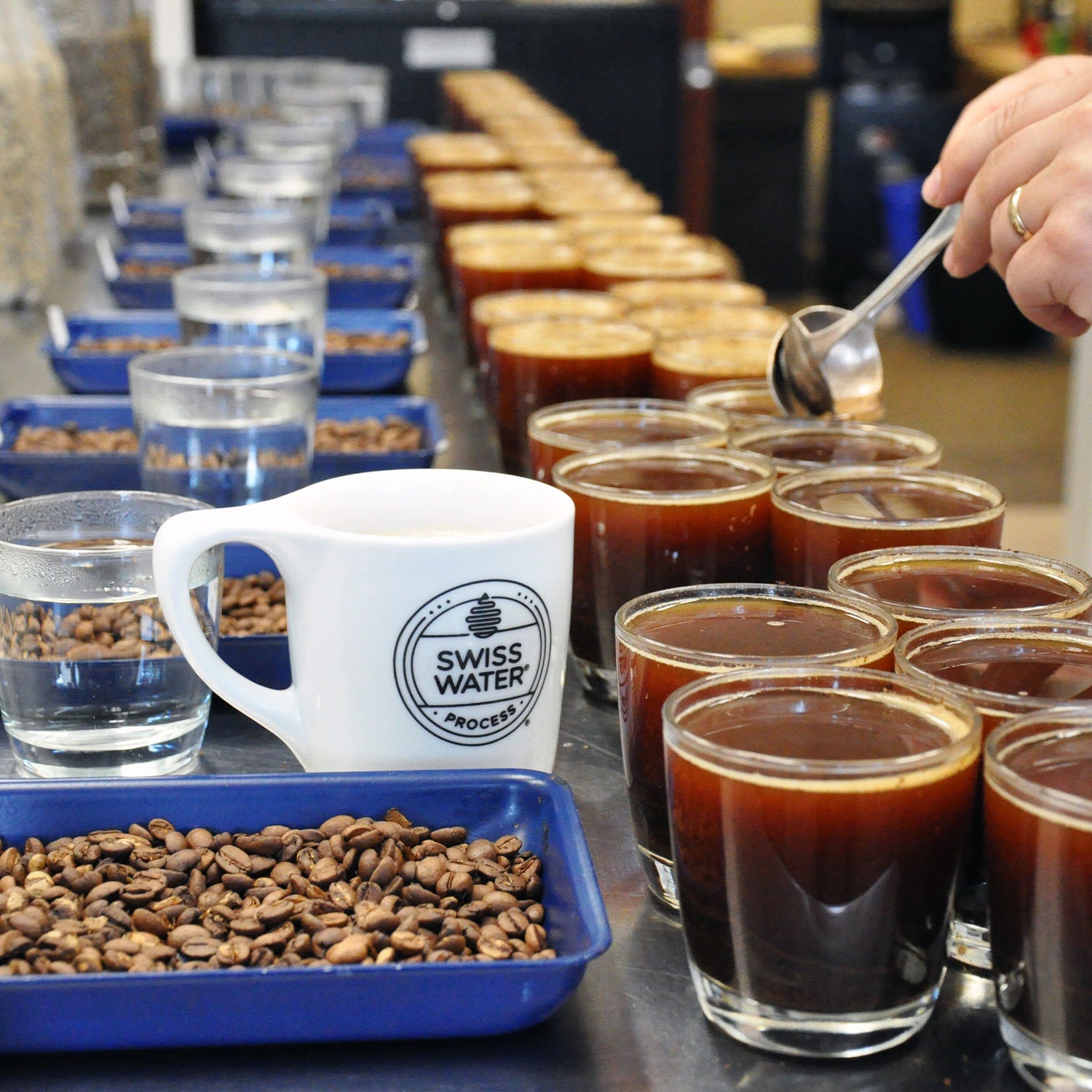

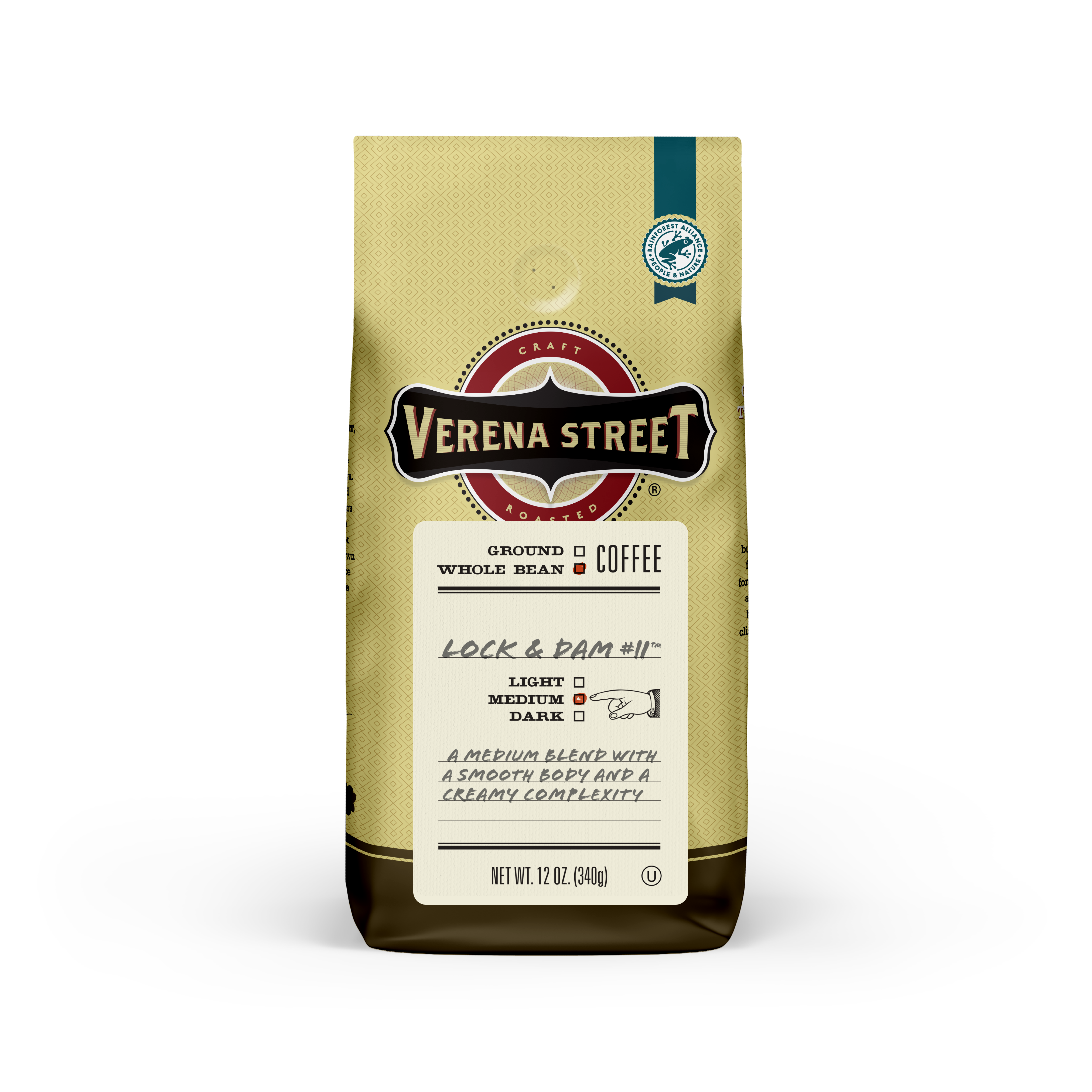
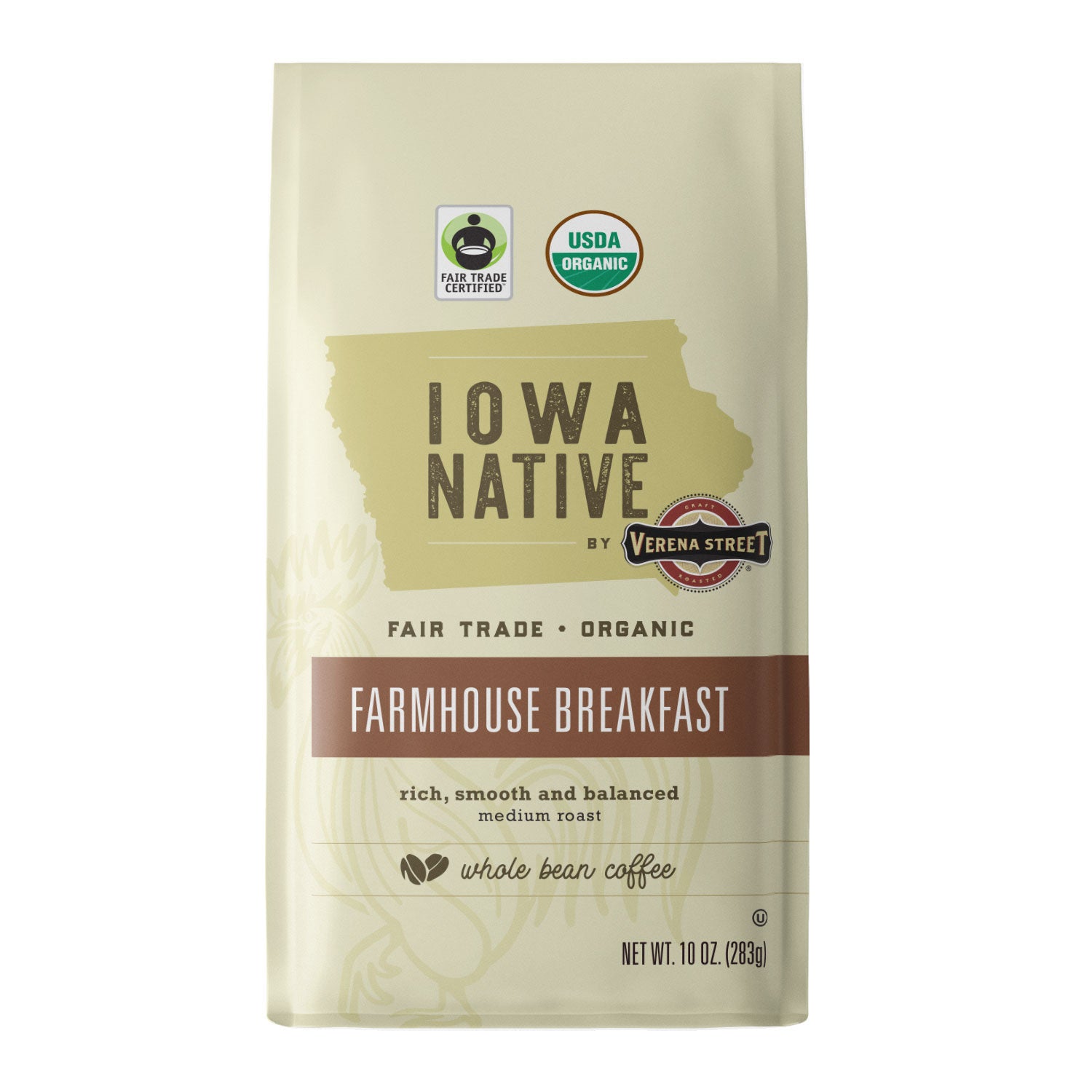
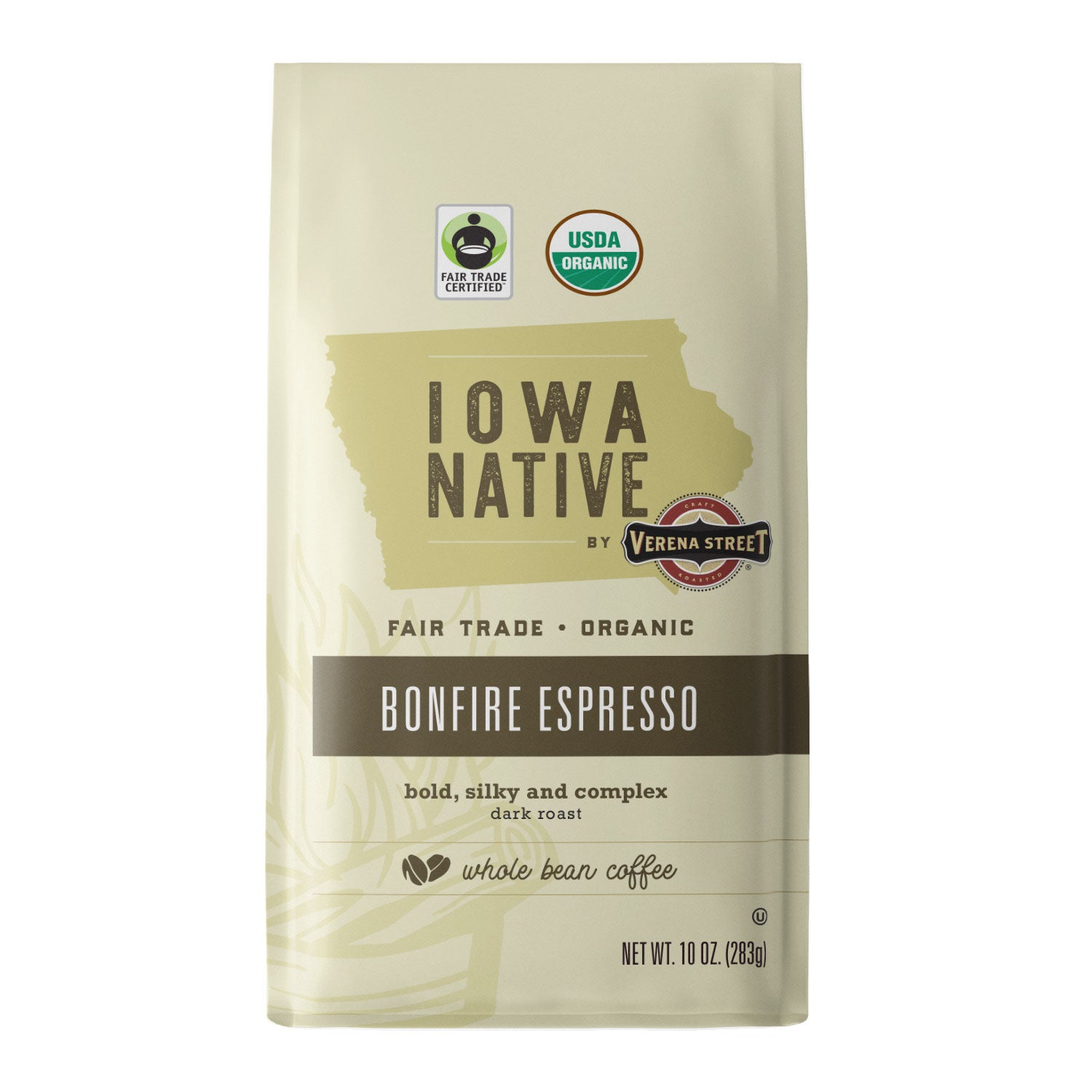
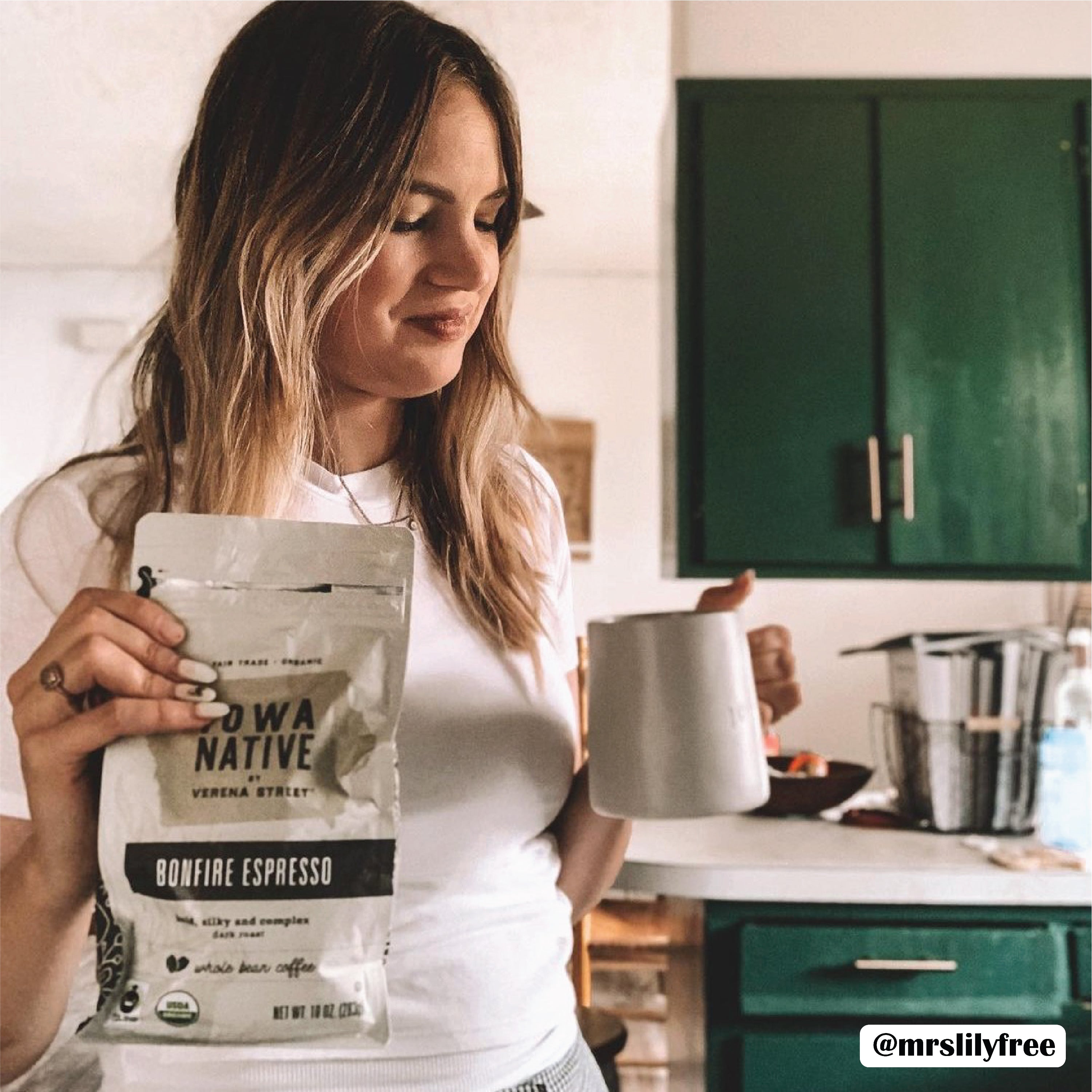
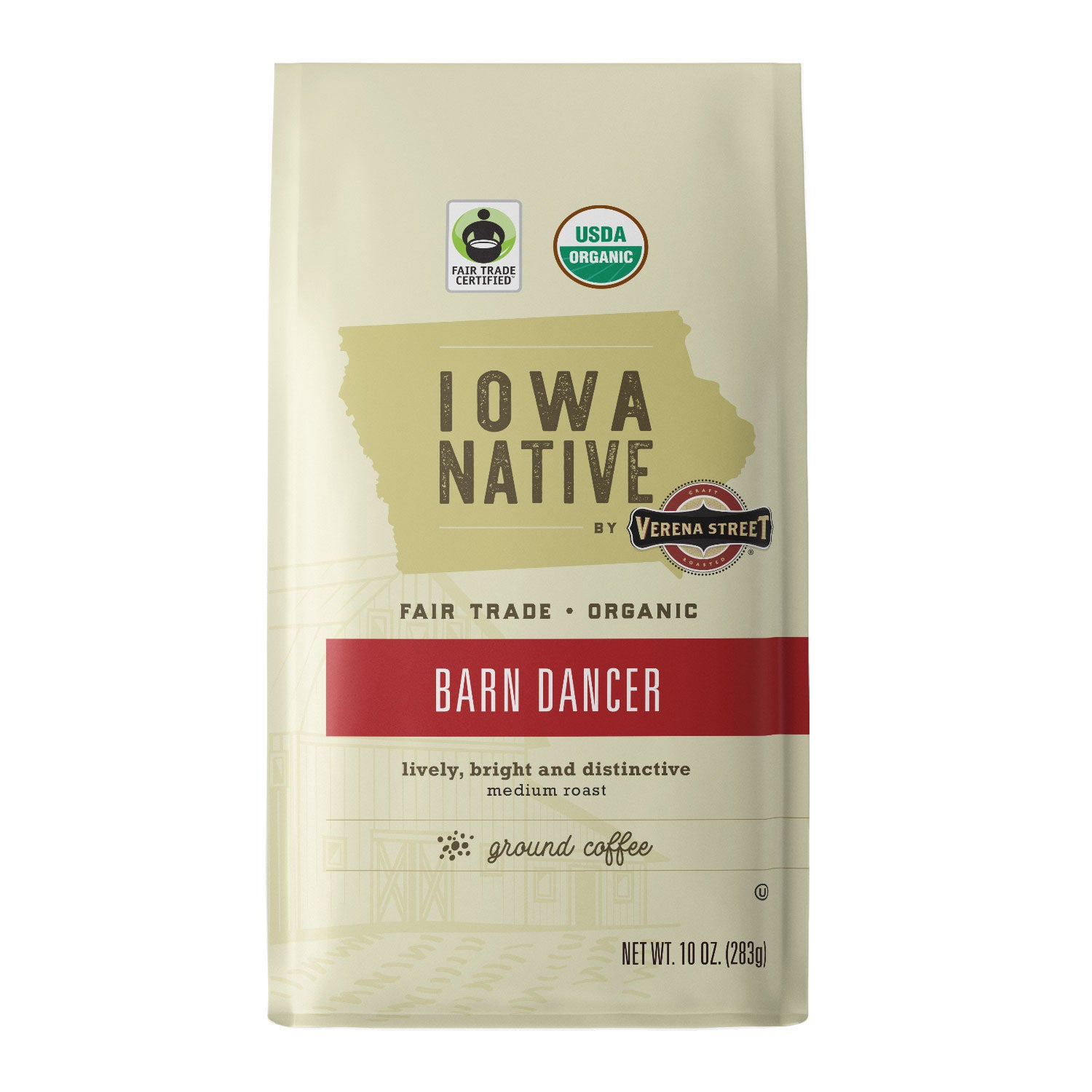
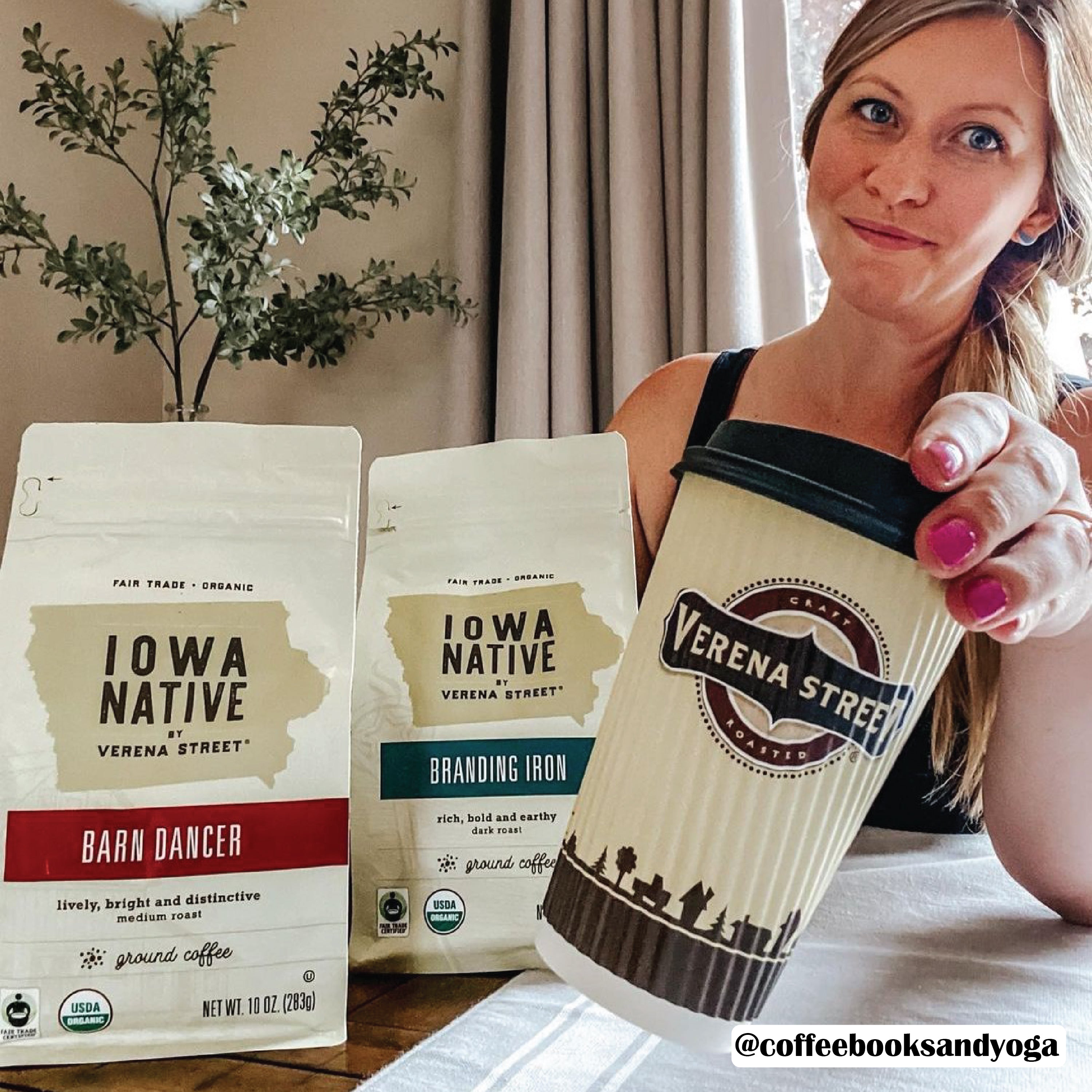
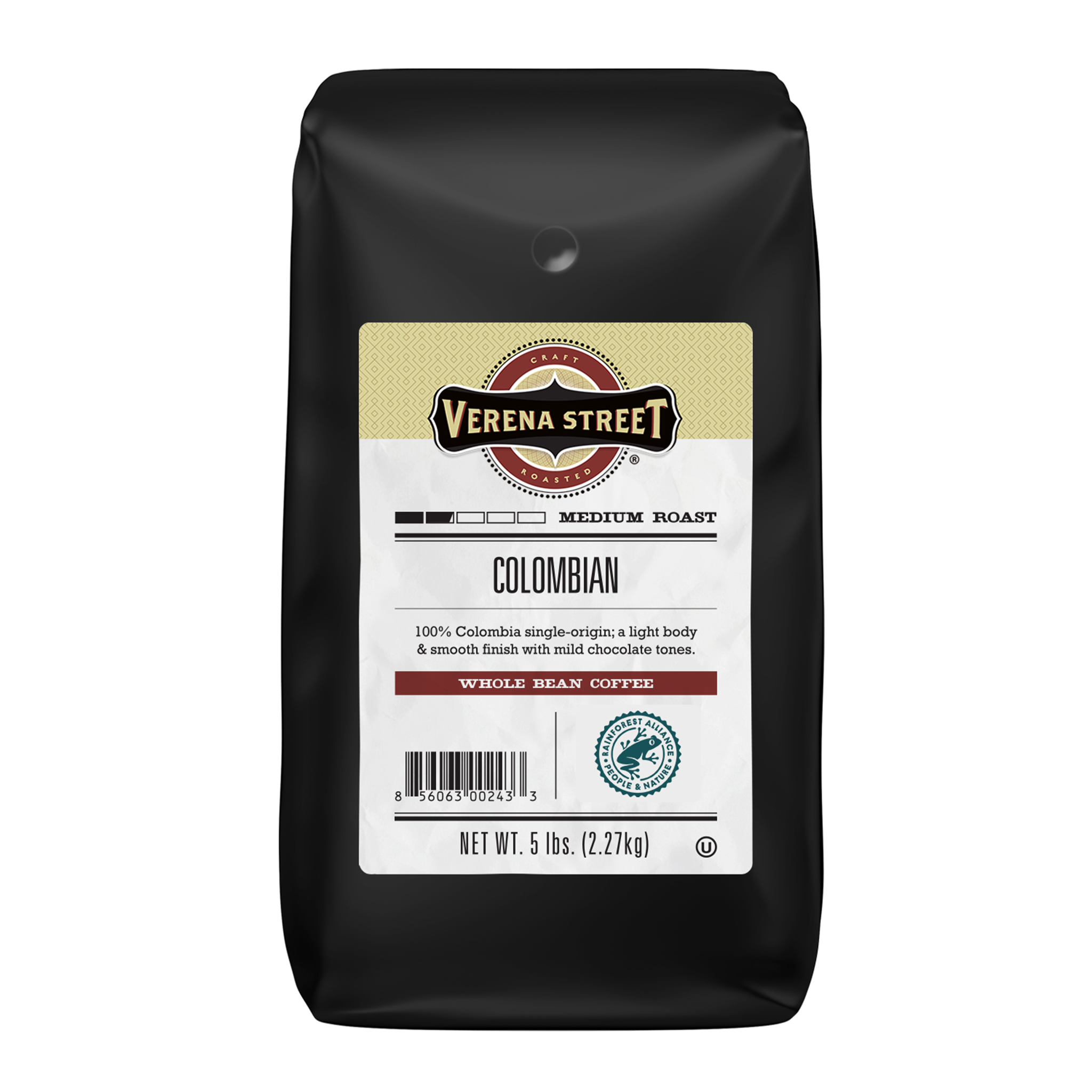
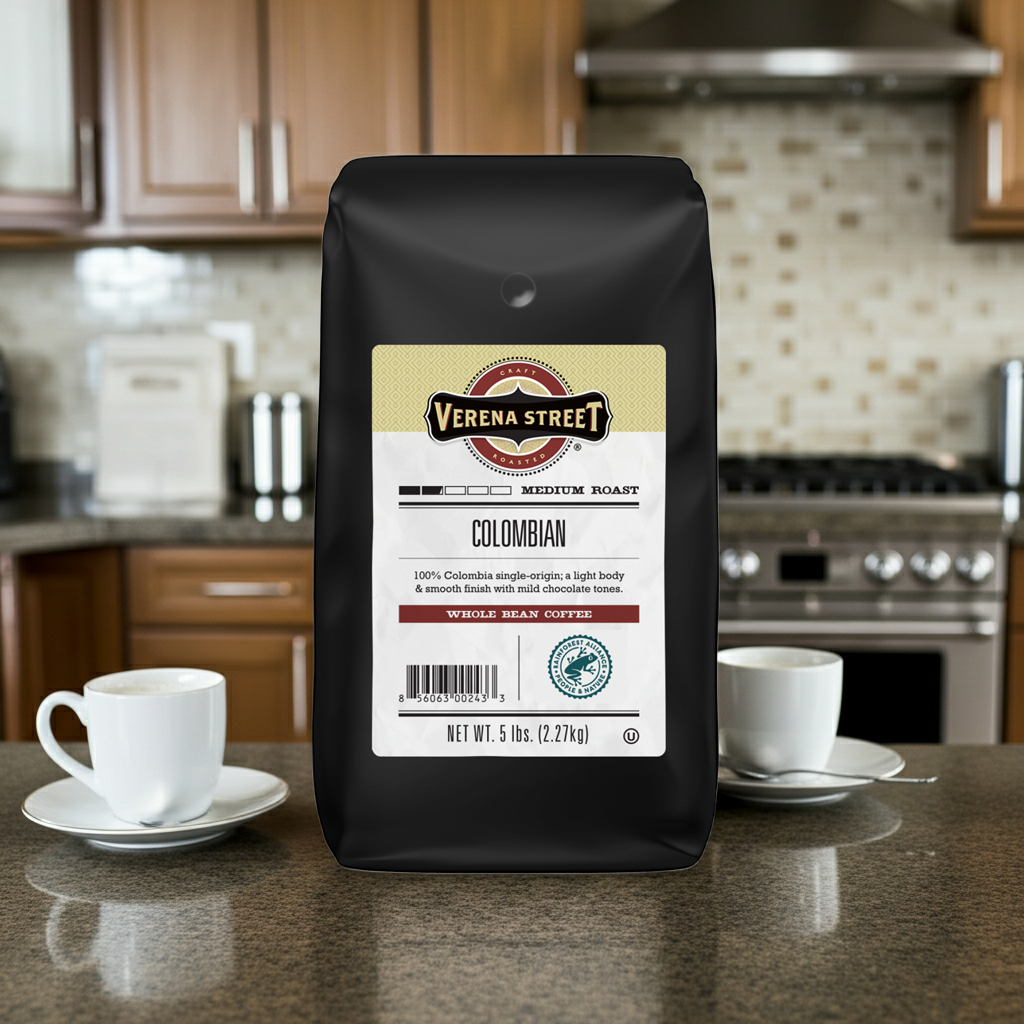
Are you tired of bitter, boring coffee?
The Coffee You are Seeking
Tastes the way it smells
Many people say they'd drink coffee if only it tasted as good as it smells. Our roasts deliver on that promise.
So flavorful, you won't need creamer
Packed with natural depth, our coffee stands strong on its own, without any added creamer, sugar or flavor syrups.
No bitter aftertaste
Say goodbye to harsh, acidic brews. Our coffee is balanced and low-acid for a silky, satisfying cup.
Many people say they'd drink coffee if only it tasted as good as it smells. Our roasts deliver on that promise.
Packed with natural depth, our coffee stands strong on its own, without any added creamer, sugar or flavor syrups.
Say goodbye to harsh, acidic brews. Our coffee is balanced and low-acid for a silky, satisfying cup.
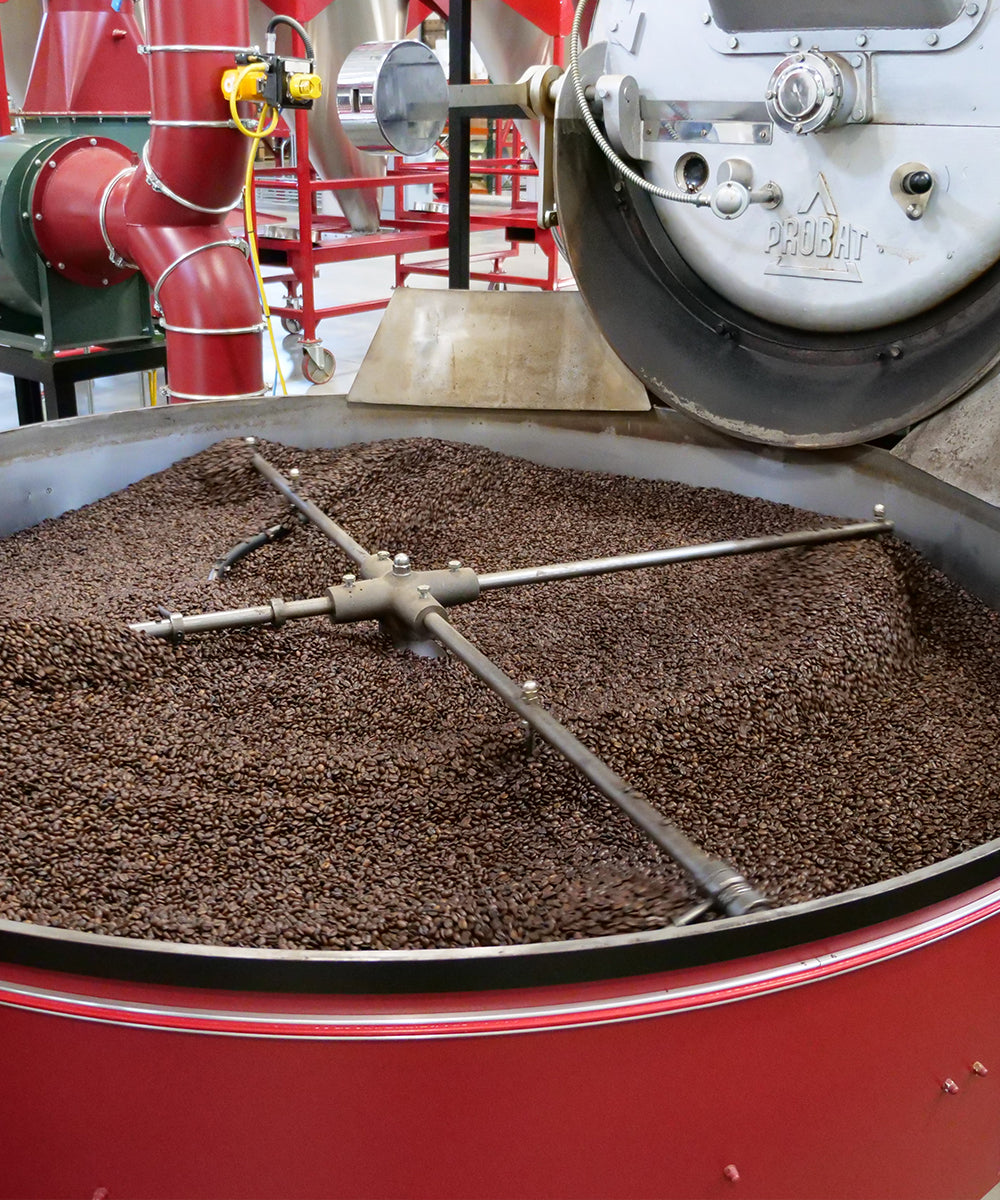

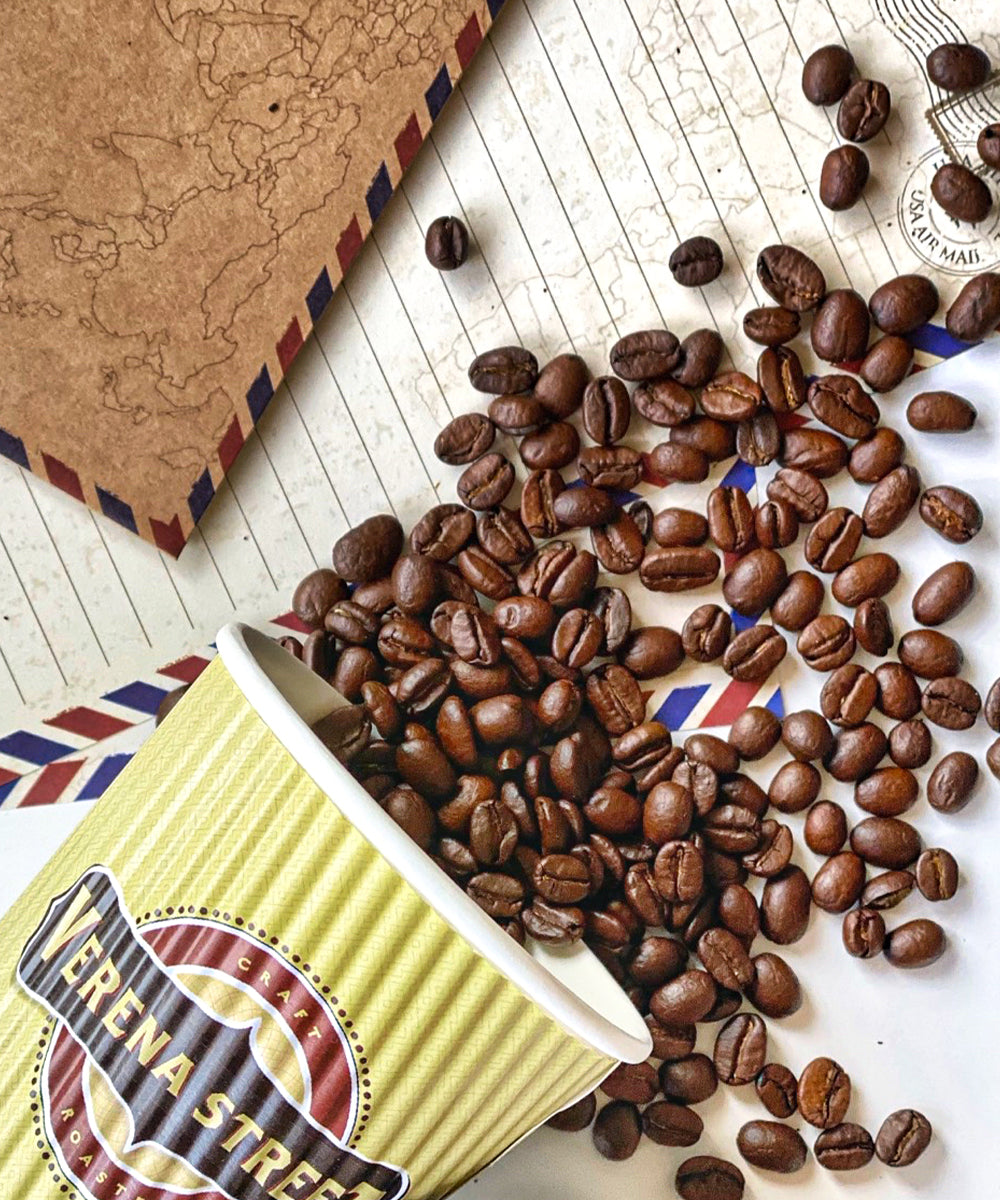
If you start with a bad bean, you'll never get a good cup. We source only high-quality, sustainably grown coffee because bean quality is the foundation of every roast we create.
Each batch is roasted to a specific level to highlight its unique character and derive the best possible flavor and aroma. Our lightest roasts are never too light, acidic nor sour tasting and our darkest roasts are never too burnt, smoky nor bitter tasting.
From the moment the beans leave the roaster, the clock is ticking. To lock in peak flavor and aroma, we package and distribute them immediately, ensuring your coffee arrives as fresh as the day it was roasted.
How Our Coffee for Pour-Over Is Different
Pour-over brewing deserves coffee crafted with care. That’s where Verena Street Coffee stands apart.
- Roasted fresh in small batches for peak flavor
- Balanced roast profiles that highlight clarity and sweetness
- Whole bean and select ground options for precision brewing
- Organic and responsibly sourced selections available
- Smooth, never bitter results with proper extraction
Every cup reflects our commitment to quality, craftsmanship, and the joy of slowing down with a better brew.
How to Choose the Right Coffee for Pour-Over
Not all coffee performs the same in a pour-over. Here’s how to choose wisely.
Start with whole coffee beans when possible. Grinding fresh gives you better aroma and control.
Choose a medium or light-medium roast. These roasts highlight subtle flavors and clean finishes.
Consider organic options. Organic coffees often shine in pour-over due to their clean, expressive profiles.
Match coffee to your taste. Go brighter and lighter for fruity notes, or slightly darker for more body and depth.
Brew Tips for Better Pour-Over Coffee
- Use filtered water for cleaner flavor
- Pour slowly and evenly for consistent extraction
- Let coffee bloom before continuing the pour
- Adjust grind size before changing coffee ratios
Experiment with small changes for noticeably better cups.
What is the best grind for pour-over coffee?
A medium-fine grind works best. It should feel similar to coarse sand. Too fine can clog the filter, too coarse can taste weak.
How many grams of coffee for pour-over brewing?
A common starting point is 20 grams of coffee for 300 grams of water. Adjust based on taste preference.
What is the ideal pour-over coffee ratio?
The standard ratio is 1:15 to 1:17. That means 1 gram of coffee for every 15–17 grams of water.
What is the pour-over coffee ratio in tablespoons
Use about 2 tablespoons of coffee for every 6 ounces of water. This is a convenient option if you don’t use a scale.
What water temperature is best for pour-over coffee
Aim for 195°F to 205°F. Water that’s too cool under-extracts, while boiling water can cause bitterness.
How do you make pour-over coffee?
Start by rinsing your filter with hot water. Add ground coffee, bloom with a small amount of water for 30 seconds, then slowly pour the remaining water in circular motions. Let it drip fully before enjoying.
What is the best organic decaf coffee for pour-over brewing?
For pour-over brewing, choose an organic decaf coffee like Verena Street Coffee that uses a chemical-free decaffeination process. This helps preserve flavor clarity and natural sweetness during extraction.
Is whole bean coffee better for pour-over?
Yes, whole bean coffee is usually better for pour-over because it gives you fresher flavor, better aroma, and more control over grind size. That control is especially important in pour-over brewing, where small changes can have a big effect on the final cup.
When coffee is ground just before brewing, more of its natural oils and aromatics stay intact. It also allows you to adjust the grind to match your brewer, filter, and taste preference. Pre-ground coffee can still work, but it often loses freshness faster and may not be the ideal grind for your exact setup.
If you want the cleanest, most flavorful pour-over possible, whole bean coffee is the better choice.
Why does my pour-over coffee taste bitter?
Pour-over coffee usually tastes bitter when it is over-extracted. That often happens when the grind is too fine, the water is too hot, or the brew takes too long.
A finer grind increases contact between the water and coffee, which can pull out harsher compounds. Water that is too hot can do the same, especially with darker roasts. Pouring too slowly or letting the brew run too long can also create bitterness. Adjusting the grind slightly coarser is often the first and most effective fix.
For a smoother cup, start with a medium-fine grind, use water around 195°F to 205°F, and keep your brew time controlled and consistent.
Why does my pour-over coffee taste weak or sour?
Pour-over coffee tastes weak or sour when it is under-extracted. This usually means the water did not pull enough flavor from the grounds during brewing.
The most common causes are a grind that is too coarse, water that is too cool, or a brew time that is too short. Uneven pouring can also leave parts of the coffee bed under-extracted. In many cases, grinding a little finer is the easiest way to improve flavor and create a fuller, sweeter cup.
If your pour-over tastes thin, sharp, or unfinished, try a slightly finer grind and make sure your water is hot enough to extract the coffee properly.
What roast is best for pour-over coffee?
Light to medium roast coffee is usually best for pour-over because it highlights the clarity, sweetness, and layered flavor that this brewing method is known for. These roast levels allow more of the bean’s natural character to come through in the cup.
Light roasts often bring out brighter fruit, floral, or citrus notes, while medium roasts add more balance, body, and sweetness. Dark roasts can still be used for pour-over, but they often create a heavier flavor profile with less emphasis on nuance. Because pour-over is such a clean brewing method, roast level has a big impact on what you taste.
If you want a pour-over that feels vibrant, balanced, and expressive, light to medium roasts are usually the best place to start.
Popular Collections